The article is called ”Deep learning-based dimensional emotion recognition for conversational agent-based cognitive behavioral therapy” and is part of an ongoing collaboration between state-funded AI lab SCADS.AI in Germany and our own Modelling Team led by John Wallert.
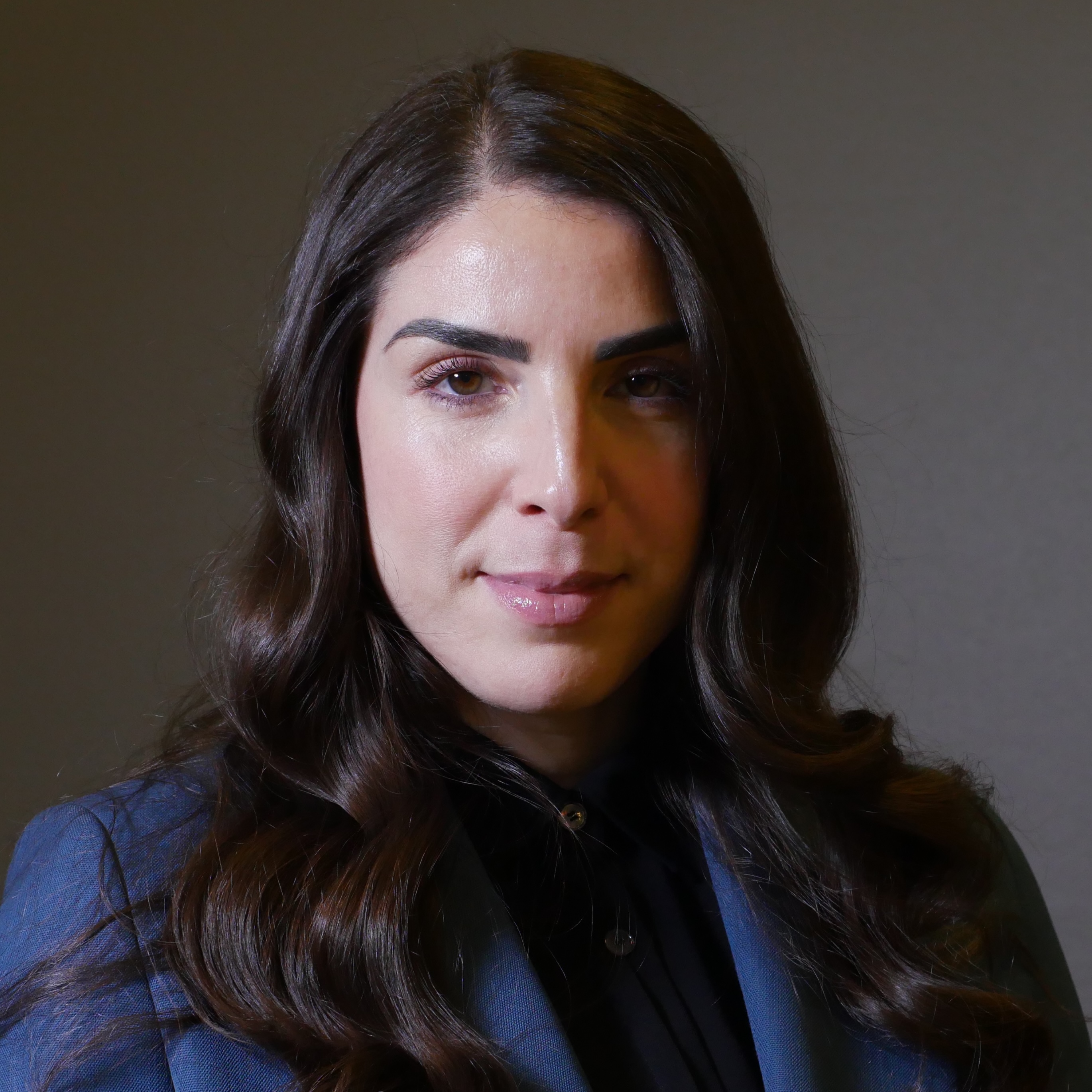
We want to highlight Sim Jamil who recently presented her Individual Study Plan (ISP) during a seminar, unveiling her doctoral project aimed at transforming PTSD treatment.
The project, which compares intensive exposure-based treatment with the standard weekly delivered prolonged exposure for PTSD. This research will assess the treatments’ efficacy, speed of response, and dropout rates through a pilot study, a randomized controlled trial, a cost-effectiveness analysis, and an investigation into treatment effect moderators. The intensive treatment holds the potential to accelerate patient recovery, reduce healthcare wait times, and optimize clinical resource allocation.
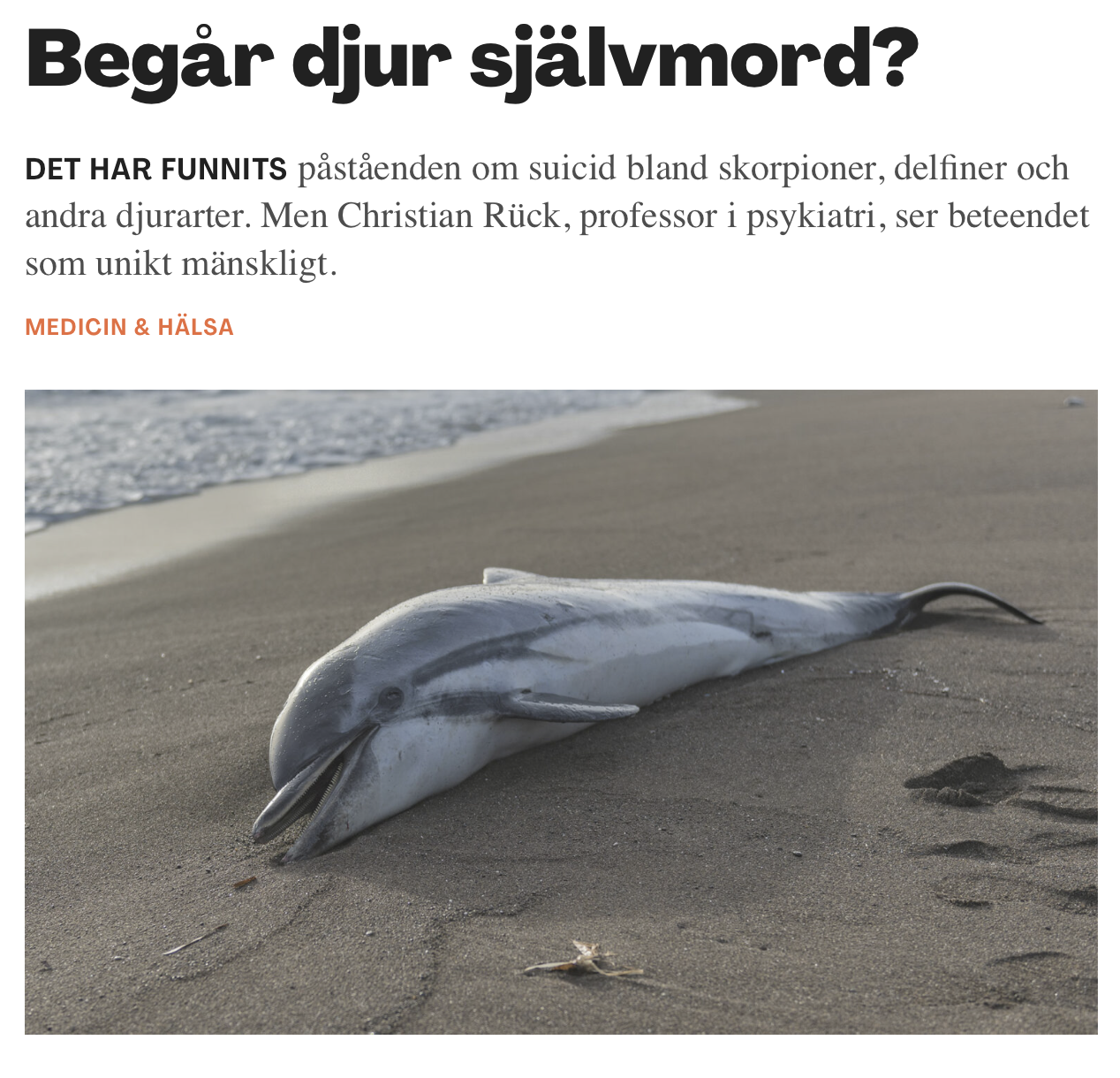
In the Swedish popular science magazine Forskning och Framsteg, Christian provides a historical review of animal suicid research. The question of whether animals commit suicide has long interested scientists, not least because it is an anomaly in the evolutionary principle of survival. However, it appears that suicide may be a phenomenon rooted in human comprehension of concepts like meaning and purposelessness, a kind of byproduct of higher cognitive abilities. Simultaneously, humans possess the resilience and capability to endure hardships and persist through challenges.
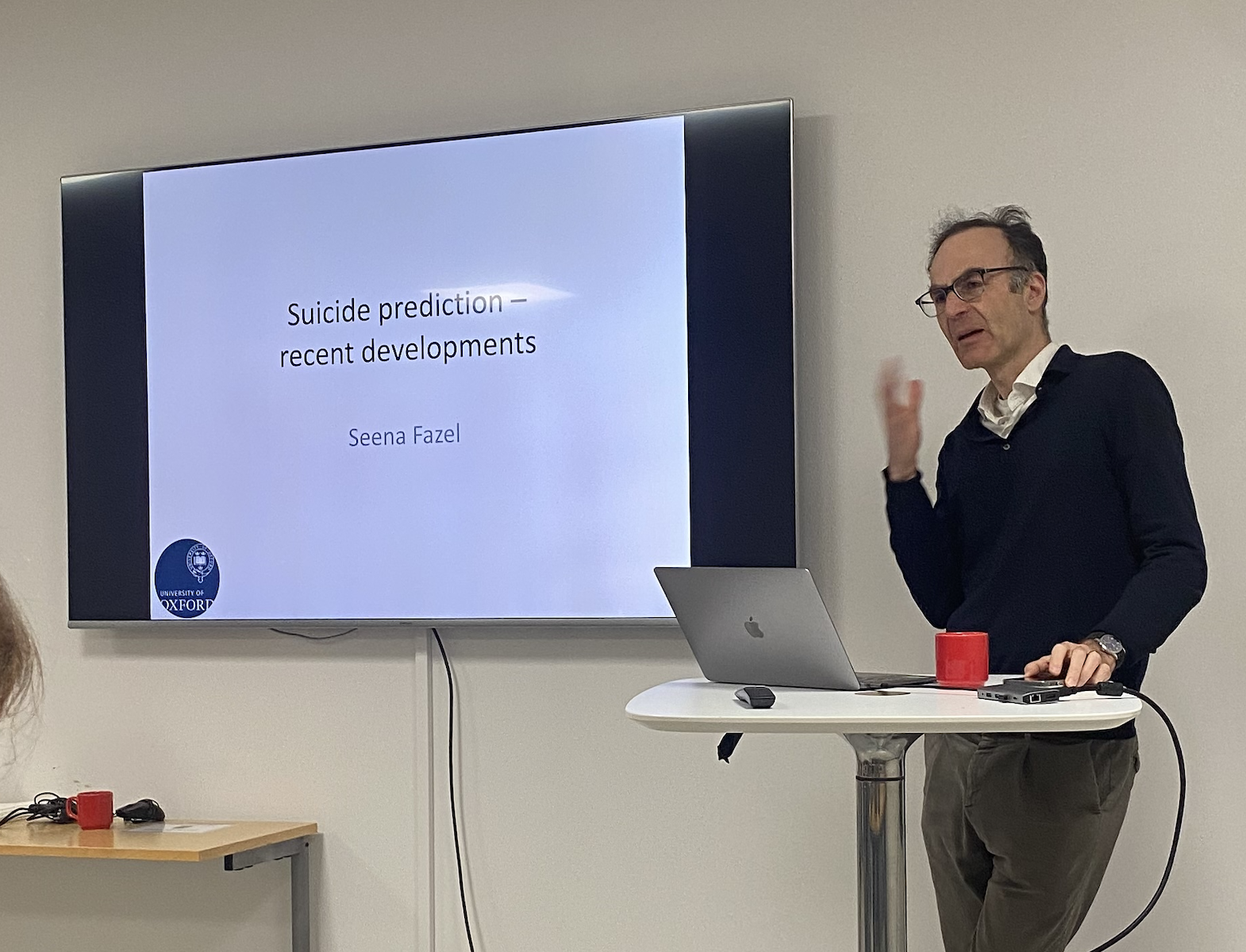
Today, Seena Fazel, world-leading researcher in suicide prediction, from Oxford University held an intriguing seminar on risk assessment models for suicide. In the seminar, he talked about the OxSATS risk predictor model for suicide. The OxSATS is a part of OxRisk, a project by the Forensic Psychiatry and Psychology group at the University of Oxford that has developed a number of web-based risk calculators. The risk calculators are supposed to complement clinical decision-making.
We would like to highlight the fact that Manne Sjöstrand has become a Docent!
Manne’s research focuses on ethical questions in clinical psychiatry, specifically on the ethics of suicide prediction and ethical questions related to involuntary treatment. He also serves as a Consultant Psychiatrist at the Consultation Liaison Psychiatric Unit at Psykiatri Sydväst.
Members of our Modelling Team got no less than five abstracts accepted for presentation at the World Congress of Epidemiology in Capetown, South Africa later this year. The following three presentations will be oral presentations:
Leoni Grossman
Suicide in the compulsory mental care population in Sweden: a descriptive nationwide registry study
Fredrik Johansson
Early change in individual depression symptoms and later symptom severity during internet-delivered cognitive behavioural therapy: preliminary findings
Björn Bråstad
Predictors of labour market marginalization in psychiatric patients following internet-delivered psychotherapy: A MULTI-PSYCH study with clinical, registry, and genetic data
The Modelling Team is led by John Wallert and these presentations will showcase our most recent pre-publication findings from the ongoing team projects MULTI-PSYCH and Compulsory Mental Care and Suicide.
The Bergen 4-Day Treatment Trial has successfully recruited the required number of participants. This marks a significant step towards evaluating the effectiveness of the treatment in relation to standard treatment and brings us closer to potentially implementing it.
The study aims to assess the non-inferiority, speed of recovery, and cost-effectiveness of the Bergen 4-Day Treatment (B4DT) for obsessive-compulsive disorder in comparison to the gold-standard cognitive-behavioral therapy with exposure and response prevention through a randomized controlled trial (RCT). CBT, while effective, typically spans 3-4 months with approximately half of patients remaining impaired post-treatment. B4DT, a concentrated treatment developed by Gerd Kvale and Bjarne Hansen from Bergen, entails four consecutive days of ERP at a clinic. Previous uncontrolled trials and one RCT have shown B4DT to achieve remission in about 70% of patients. However, direct comparison with gold-standard CBT is lacking, prompting the current study to address this gap.
The Bergen team from the Rück group and OCD-programmet has done an outstanding job by successfully recruiting 120 participants 👏👏
Sim will be working with the intensive exposure-based treatment RCT for post-traumatic stress disorder (PTSD). A thrilling project that will evaluate the effect, speed of recovery, and cost-effectiveness of a PTSD treatment delivered daily for five consecutive days. Preliminary research shows intensive trauma focused treatment (I-PE) to be as effective as when the treatment is delivered by weekly sessions, but with the advantage that the recovery rate is faster and the proportion of patients who drop out decreases.
Hear Max in the latest episode of OCD-podden talking about the current randomized controlled non-inferiority trial examining Bergen 4-day treatment (B4DT), an intensive treatment compared to gold standard psychological treatment delivered weekly.
Max Sannemalm is a lic. psychologist at OCD-programmet at Psykiatri Sydväst and also a PhD student working with the B4DT-study.