#22 Depression, Anxiety and Myocardial Infarction

Researchers from our team including Oskar Flygare, John Wallert, Julia Boberg, and Christian Rück, along with other contributors, carried out a significant Nationwide Registry study.

They explored two key questions: Do depression and anxiety affect the risk of reinfarction and mortality after a myocardial infarction (MI)? And does the severity of these psychiatric symptoms have an impact on this risk?

What did they find?
Both a previous diagnosis and present self-reported symptoms of anxiety or depression are associated with an increased risk of death and recurrent cardiovascular events in adults with first-time MI. 

This highlights the importance of assessing both psychiatric history and self-reported symptoms for these patients. 

Read the full article here

#21 Three Things About Dermatillomania That Too Few People Know

3 things about dermatillomania that too few people know.

  1. Dermatillomania, which is skin picking that causes damage and negatively impacts one’s life, remains unknown to many, despite affecting about 200,000 Swedes. It is often only identified in adulthood.
  1. It is common that compulsive skin picking starts in adolescence with acne or another skin condition and often continues even after healing. Many people hide their wounds and feel ashamed, which affects their social life. 
  2. Skin picking usually occurs on the face but also on other parts of the body. It provides temporary relief or pleasure, making it difficult to stop despite negative consequences.

#20 New treatment offers hope for parents battling unwanted intrusive thoughts

Caring for a small child is stressful for most people. One in five new parents struggle with distressing thoughts of intentionally harming their child, but for some the unwanted intrusive thoughts become distressing and reducing the quality of life.

A recent study by researchers at Karolinska Institutet explored the initial efficacy, feasibility and acceptability of a new 8-week self-guided online cognitive intervention for parents experiencing these troubling thoughts.

The results revealed significant reductions in distress and impairment related to these thoughts post-intervention, and these improvements were sustained at the 1-month follow-up. The results also showed that negative appraisals have a mediating role.

You can read the full article here.

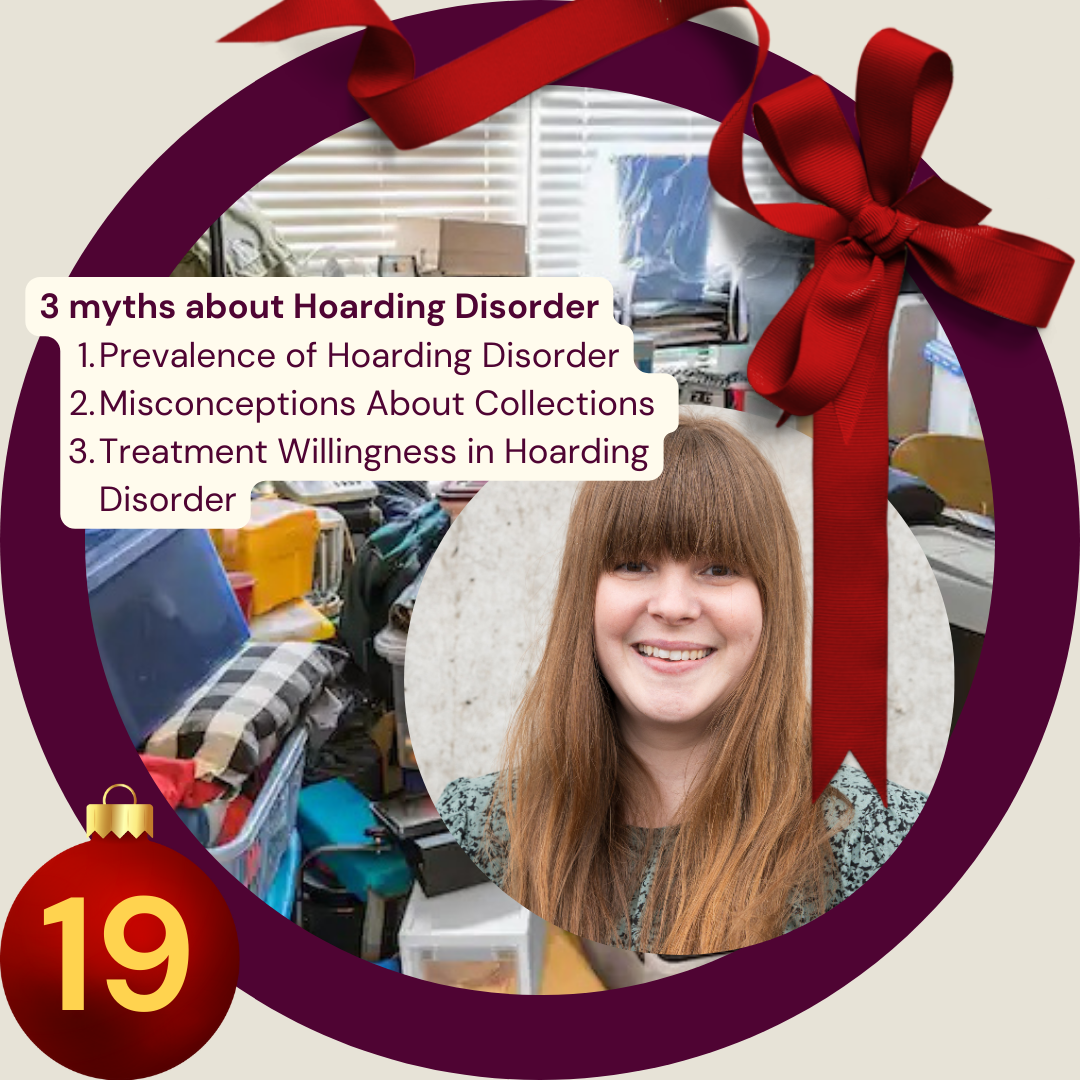
#19 3 myths about Hoarding Disorder

We asked PhD student Sofia Jägholm about three myths about Hoarding Disorder – a condition characterized by an ongoing difficulty throwing away or parting with possessions because you believe that you need to save them.

Myth 1: Prevalence of Hoarding Disorder
Many people think it’s very rare (but point prevalence seems to be around 2.5%)

Myth 2: Misconceptions About Collections: Many people think that people with hoarding disorder only collect junk, which is not true at all. They collect many different types of things, such as clothes, tools, magazines, etc. 

Myth 3: Treatment Willingness in Hoarding Disorder: Many people think that people with hoarding disorder are not interested in treatment, which is also not true.

#18 Elin Lindsäter’s Podcast Appearances

Elin Lindsäter is a familiar face in Swedish media. Among TV appearances and news articles, she has also been a guest on numerous podcasts, discussing a wide array of topics including internet therapy, CBT, stress, extreme fatigue, and post-Covid. Haven’t had the chance to listen yet? No problem! Discover some of her insightful contributions below. 🎧✨

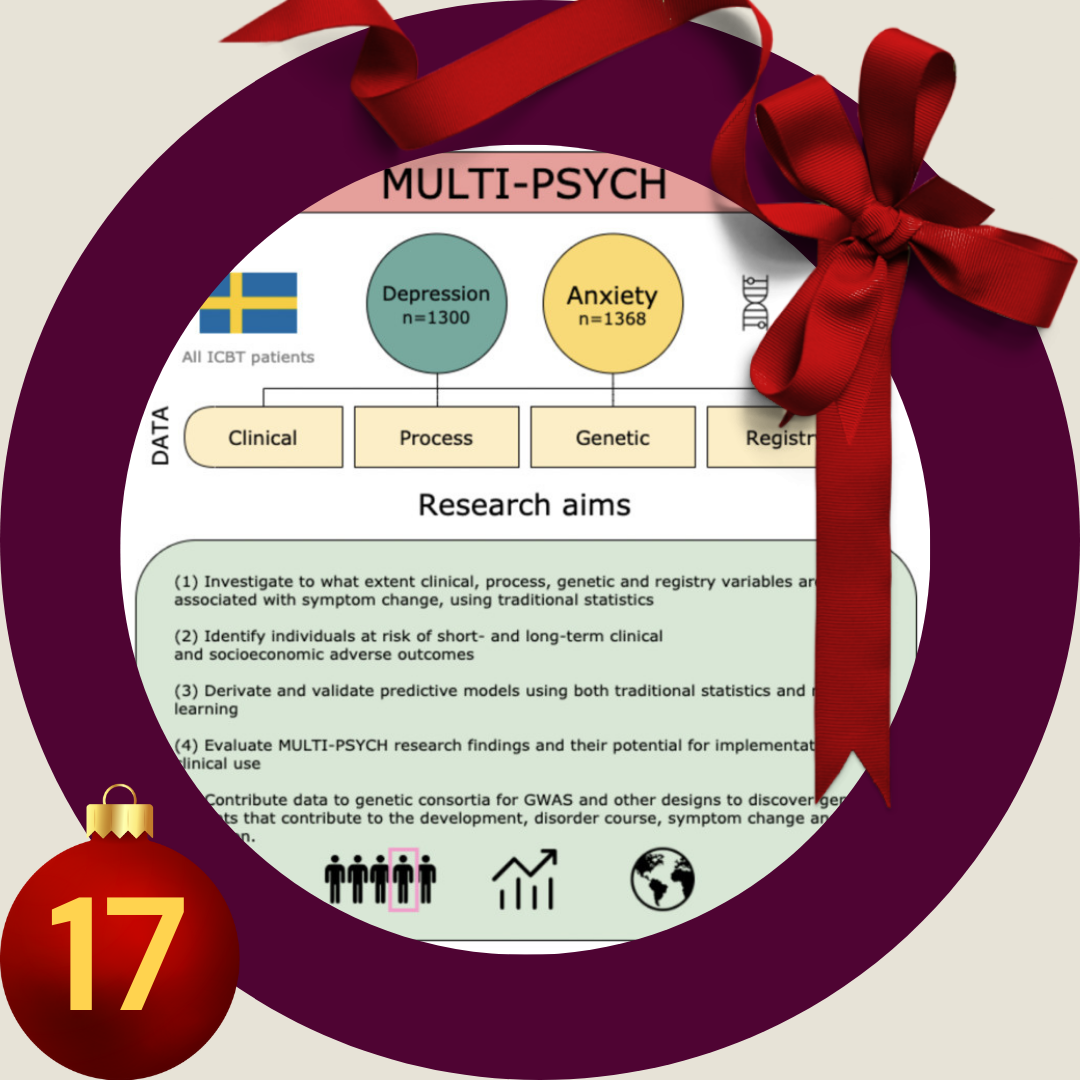
#17 The MULTI-PSYCH cohort

MULTI-PSYCH is a unique cohort of 2668 patients with anxiety and depression who have been treated with internet-delivered CBT. It contains clinical, genetic and nationwide registry data.

All patients have been blood sampled and genotyped. Clinical and genetic data has been linked to several Swedish registers containing a wide range of variables from patient birth up to 10 years after the end of ICBT.

These variables include:

  • Perinatal complications
  • School grades
  • Psychiatric and somatic comorbidity
  • Dispensed medications
  • Medical interventions and diagnoses
  • Health care and social benefits
  • Demographics
  • Income

The aim of the project is to improve risk stratification, outcome prediction, and secondary preventive interventions.

Read more about the cohort here.

#16 Implementation of internet delivered treatments for OCD and BDD

Our group has conducted research on internet-delivered cognitive behavior therapy in the past twelve years. In particular, the protocols for OCD (developed by Erik Andersson) and BDD (developed by Jesper Enander), have shown promising results in both Swedish and international clinical trials.

Since 2018, thanks to a massive effort by Lina Lundström, both treatments are implemented in the regular health care system in Sweden and can reach patients from Ystad to Pajala. This was critical during the COVID-19 pandemic when the health care system had to rearrange itself for remote delivery of care. We are proud that our digital treatments have helped thousands of patients overcome their struggles with OCD and BDD.

#Zero vision for suicide – an ethical challenge

Sweden was the first country to introduce a zero vision for suicide. Manne Sjöstrand, with a background in medical ethics, discusses the ethical implications with such a vision as it risks contravening several ethical principles. The article further proposes a middle path for suicide prevention.

Read the paper here.

#13 Knäck kärlekskoden

We would like to take this opportunity to highlight Kärlekskoden – Sweden’s first dating handbook for people on the autism spectrum. Written by psychologists Sofia Asplund and Lisa Nordenstam, this guide offers practical advice on various aspects of dating, from asking someone out to understanding love and managing intimate relationships. It also features personal insights from several individuals on the spectrum, enriching the handbook with diverse experiences and perspectives.

Read more about it or buy it here 💝.