In our most recent paper, published in the Journal of Obsessive-Compulsive and Related Disorders, we investigate sudden gains in internet-based CBT for OCD. A sudden gain means a large improvement in symptoms between two therapy sessions (i.e. weeks in internet-based CBT), that is stable once the improvement has taken place. We used data from a previous trial where 128 participants received internet-based CBT.
We found that 38% of the patients experienced a sudden gain. Sudden gainers showed significantly larger improvements on the clinician-administered Y-BOCS than non-sudden gainers at post-treatment (d = 1.11), as well as at 3-month (d = 1.06), 12-month (d = 0.88) and 24-month follow-up (d = 0.77). Sudden gainers also showed significantly less severe OCD symptoms than gradual gainers at post-treatment (d = 0.50), as well as 3-month (d = 0.55) and 12-month follow-up (d = 0.57). In addition, patients receiving DCS showed a significantly higher rate of sudden gains.
We conclude that sudden gains are common in ICBT for OCD and are associated with favourable short and long-term treatment outcomes. Sudden gains is something we will be investigating further in our other clinical trials for OCD and related disorders.
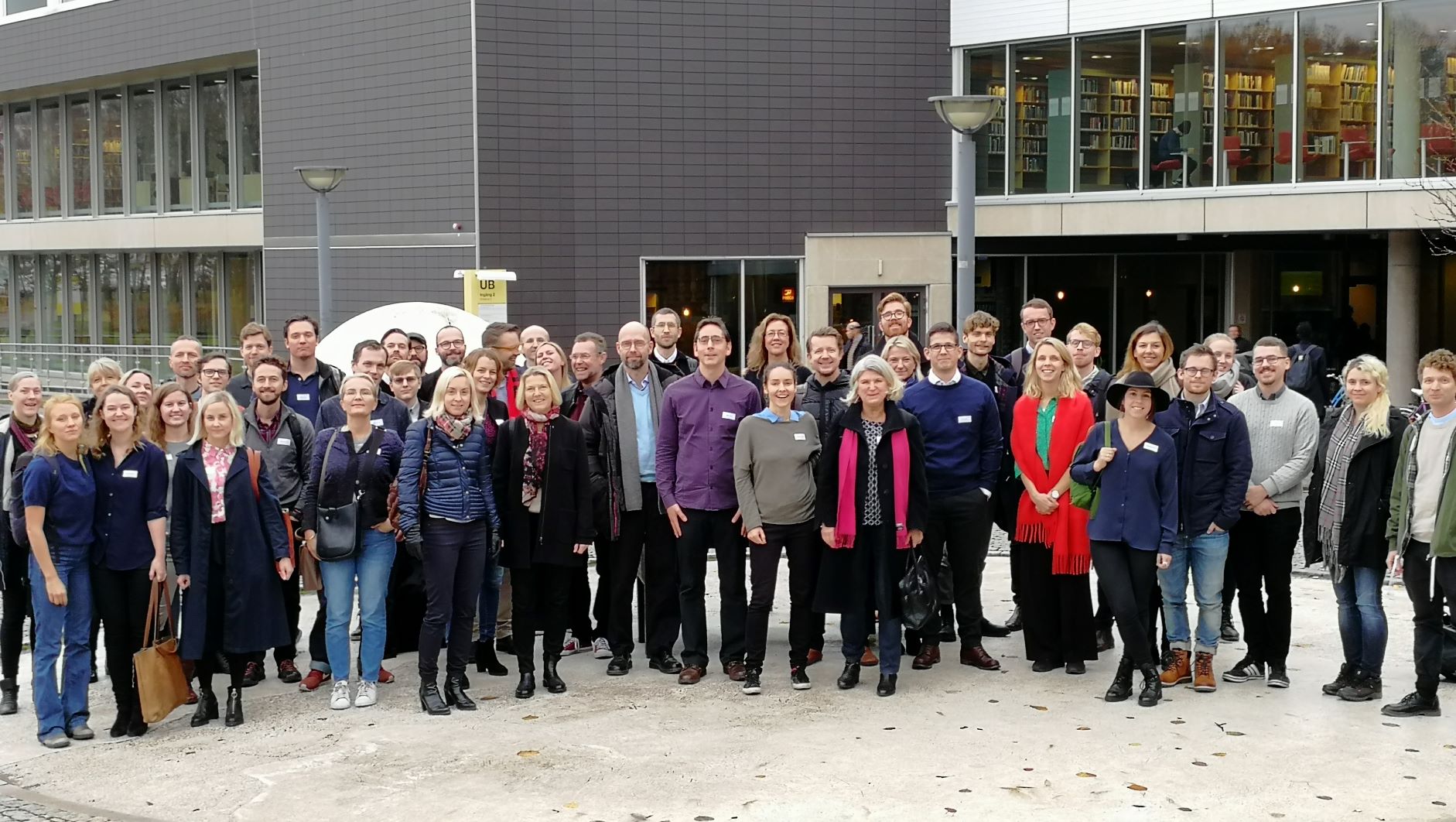
The yearly conference for research on internet interventions took place in Växjö, att Linnaeus University, on 9th November. The meeting brought together researchers and practitioners from Sweden, Norway and Denmark to present and discuss recent developments and upcoming projects. The Rücklab team was represented by Oskar and Katja.
With a familial atmosphere and representation from both academia and health care, the conference provided a great opportunity to discuss common struggles and potential improvements of our treatment interventions. Some highlights of the programme include individually tailored treatments for patients with multiple psychiatric conditions, the use of emergent technologies like virtual reality to treat mental illness, and disseminating internet-delivered cognitive behavioural therapy in rural settings.
We had a great time and look forward to exchanging ideas and collaborating on project with our colleagues from all over Sweden and elsewhere. Next up is esrii 2019 in Copenhagen!
We have just released a pre-print1 where we describe an adapted cognitive behavior therapy for adults with obsessive-compulsive disorder (OCD) and autism spectrum disorder (ASD). You can find the full paper here.
OCD and ASD often co-occur but effective treatment options for this patient group are sorely lacking. We extended an adapted CBT protocol developed in the UK at our specialist clinic for OCD and related disorders (OCD-programmet).
Our results show that OCD-symptoms (both when rated by a clinician and by the participants themselves) decrease over the course of treatment, but that few participants were completely symptom free.
Results on the main outcome: Yale-Brown Obsessive-compulsive Scale (YBOCS) rated by clinicians.
We discuss three ways to develop the treatment further: adding more support in between sessions to help participants do exposure exercises on their own, including interventions to help participants find meaningful daily activities, and intensifying the treatment over a shorter time span.
A pre-print is a manuscript that has been read and approved by all authors but has not gone through peer-review yet. It’s a popular way to quickly disseminate results in fields like genetics, physics and mathematics. It is gaining popularity in other fields as well. Wikipedia article↩︎
Nu finns internet-KBT för tvångssyndrom (OCD) och dysmorfofobi (BDD) tillgängligt för vuxna personer i hela Sverige!
Vi har utvecklat och utvärderat dessa behandlingar i flera vetenskapliga studier sedan 2011 (OCD) respektive 2014 (BDD) och funnit att de fungerar bra vid båda tillstånden. Det slutgiltiga målet har alltid varit att fler patienter ska få tillgång till effektiv behandling och vi är stolta över att ha nått fram till den här punkten.
Lina Lundström är den person som varit projektledare för implementeringen i reguljär vård och det är tack vare hennes ihärdiga arbete som behandlingarna nu finns tillgängliga.
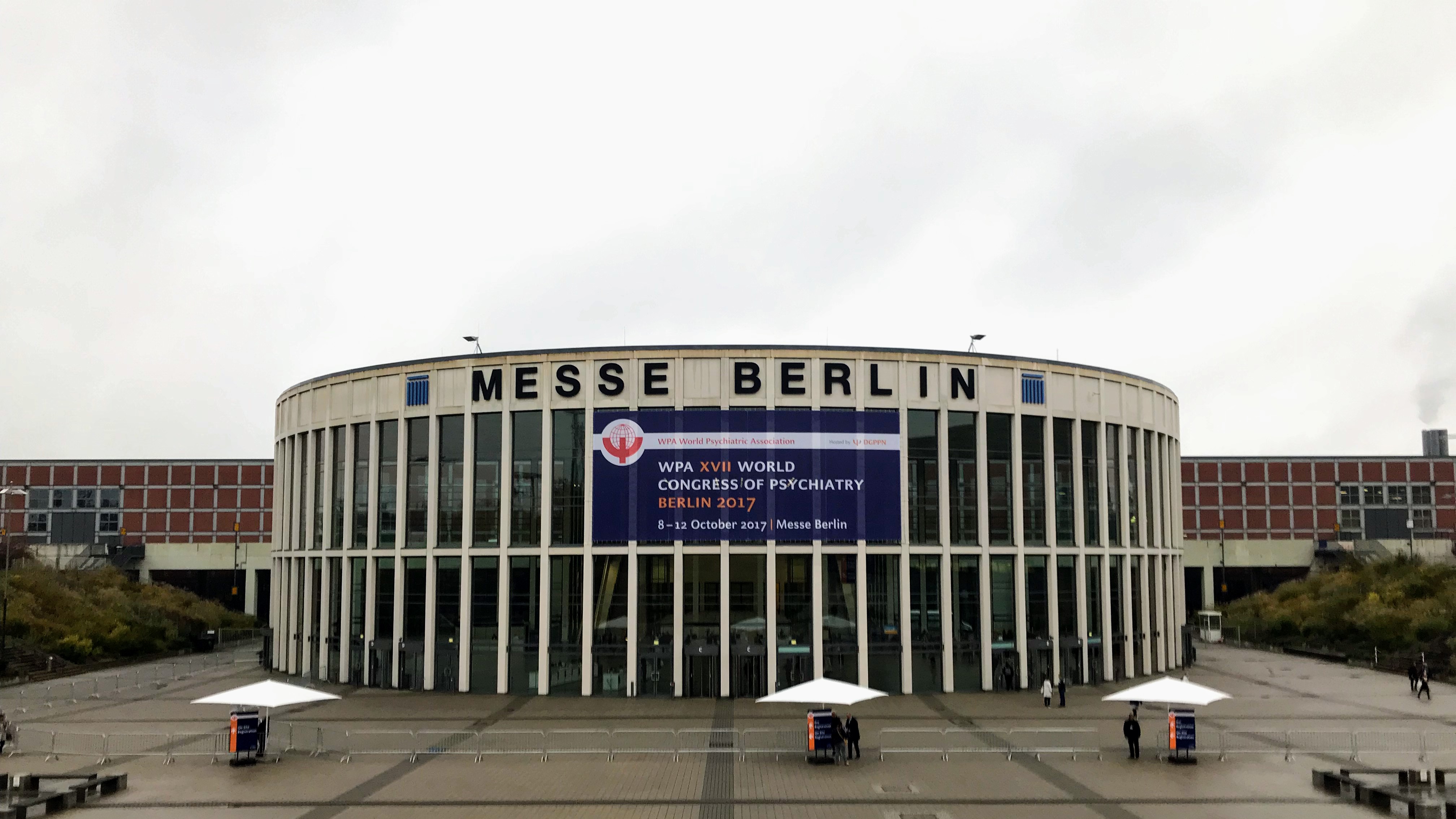
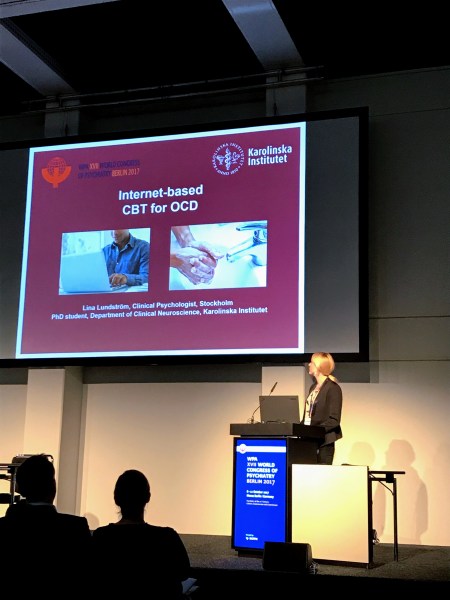
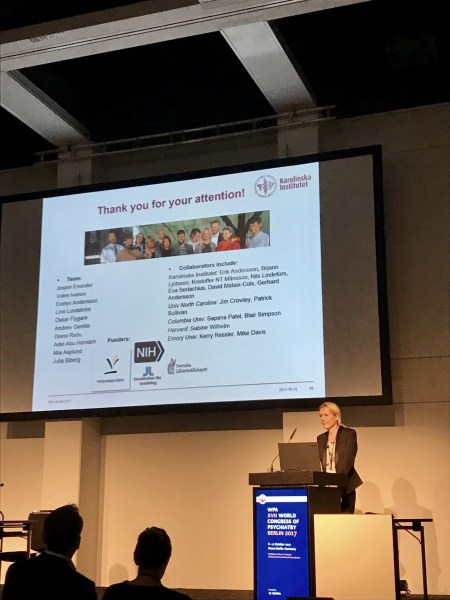
Lina, Diana, and Oskar traveled to Berlin for the World Congress of Psychiatry, arranged by the World Psychiatry Association. Lina presented the work we do in internet-delivered CBT treatments during a symposium on the frontiers of OCD research. We were also able to attend a multitude of presentations within the broad field of psychiatry.
Some highlights from the conference:
Nasal oxytocin injections as a potential treatment for psychiatric problems
Genetic and epigenetic mechanisms underlying susceptibility to psychopathology (elegantly presented by Professor Michael Meaney of McGill University, Canada)
The future of cognitive behavioural therapies
Psychiatric needs of refugees
Using genetic data and artificial intelligence to predict treatment outcomes
Third wave of cognitive behavioural therapies
This symposium included short talks by Professor Emily Holmes, Professor Adrian Wells, Professor Paul Summergrad and Professor Fritz Hohagen.
A common theme in the discussion was to increase the theoretical rigor of our treatments by developing interventions that target specific mechanisms of change. Professor Holmes noted that there’s a wealth of research in basic science that can potentially inform what we do in the clinic. By identifying these mechanisms and translating them into clinical interventions, we will be able to improve our therapies and sharpen our clinical tools.
”Indeed, it’s a great challenge is to map therapeutic techniques to specific processes. First, we need to go back to models of causality of processes and mechanisms, and then devise therapeutic techniques to target specific processes.” – Adrian Wells
Mental health in Syrian refugees
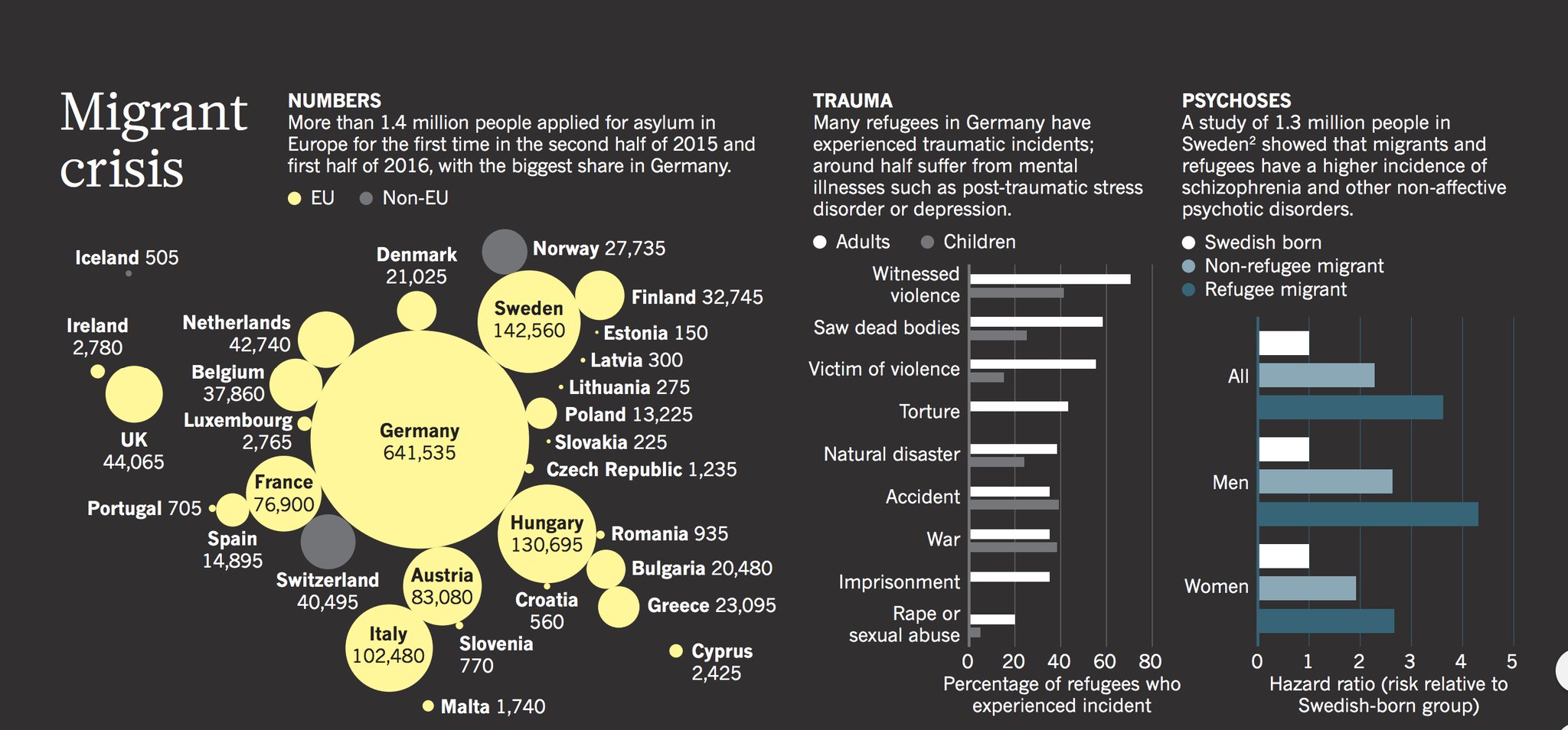
The war and accompanying atrocities taking place in Syria has forced more than 5 million Syrians to flee the country. More than 600,000 of these refugees have ended up in Germany (150,000 in Sweden) so psychiatrists are now trying to understand the amount of psychological distress and the treatment options available.
The experiences of war and oftentimes dangerous escape to Europe means these individuals are at increased risk of mental health problems. Stress, post-traumatic stress disorder, and depression are among the most common in a sample of 3000 refugees seen at a centre in Berlin.
However, the common theme of these presentations is resilience. Although Syrian refugees have witnessed and experienced things that are unimaginable to many Europeans, a majority of them recover and prosper without much psychiatric attention.
Lina Lundström, PhD student in our group, was recently interviewed by Stockholm Centre for Eating Disorders and will give a lecture at the clinic Wednesday October 18th.
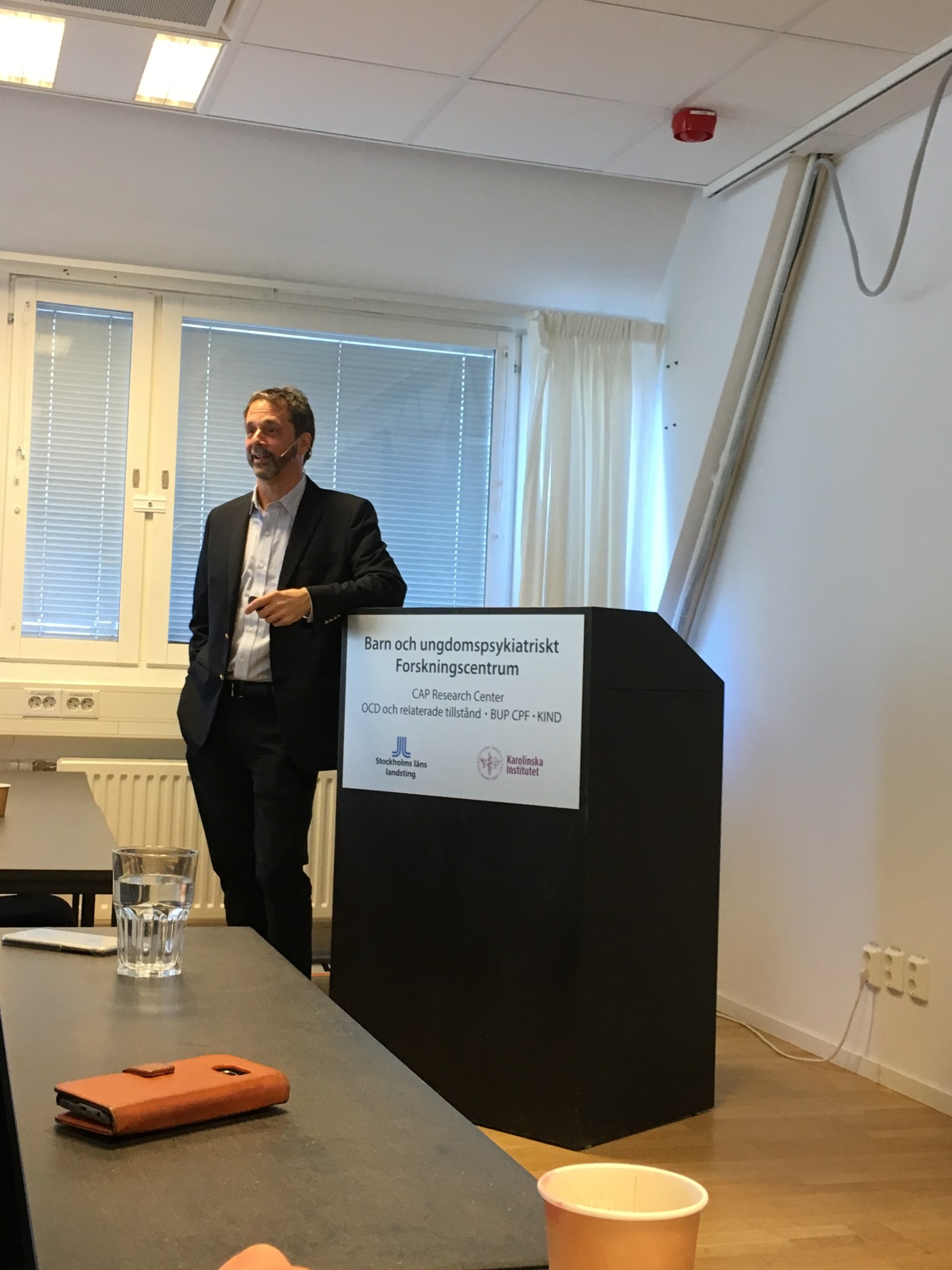
It has been an intense week for those involved in the treatment of OCD in children and adolescents. Fabian Lenhard has successfully defended his thesis, congratulations Fabian! His opponent was Professor John Piacentini from University of California, Los Angeles. Professor Piacentini is an experienced clinician and researcher in pediatric OCD. Yesterday he gave a lecture on the research frontiers in this field.
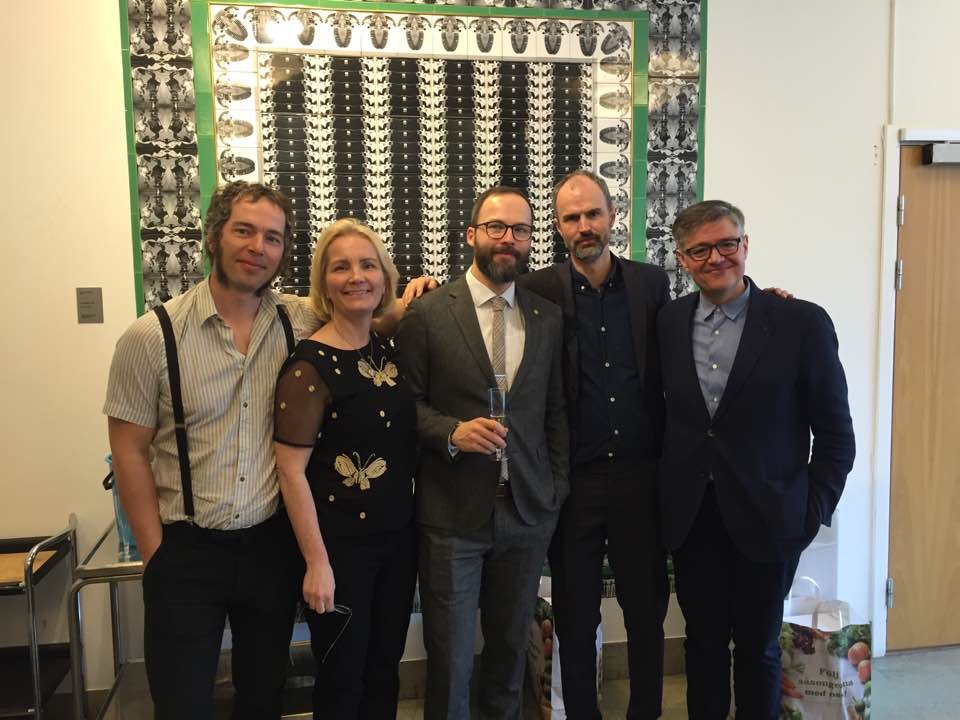
Fabian and his supervisors. From left to right: Erik Andersson, Eva Serlachius, Fabian Lenhard, Christian Rück, and David Mataix-Cols
Internet-delivered CBT for adolescents with OCD
The topic of Dr. Lenhard’s thesis is Internet-delivered Cognitive Behavior Therapy for Adolescents with Obsessive-Compulsive Disorder. You can find the thesis here: https://openarchive.ki.se/xmlui/handle/10616/45535
He has developed and tested the treatment in an open trial and a randomized controlled trial. Analyses on cost-effectiveness and predictors of outcome are underway.
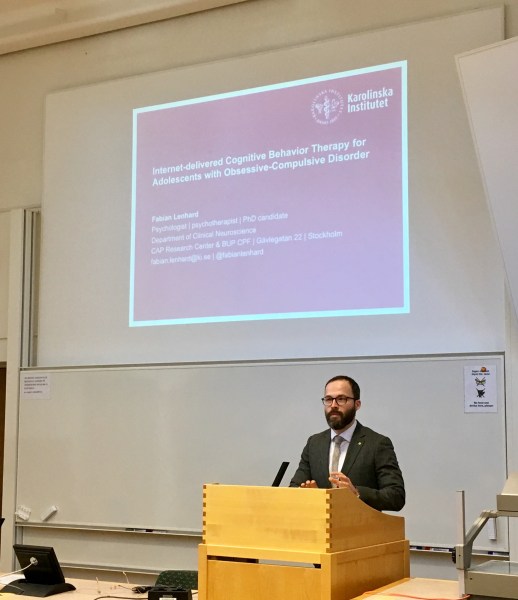
Fabian during his dissertation
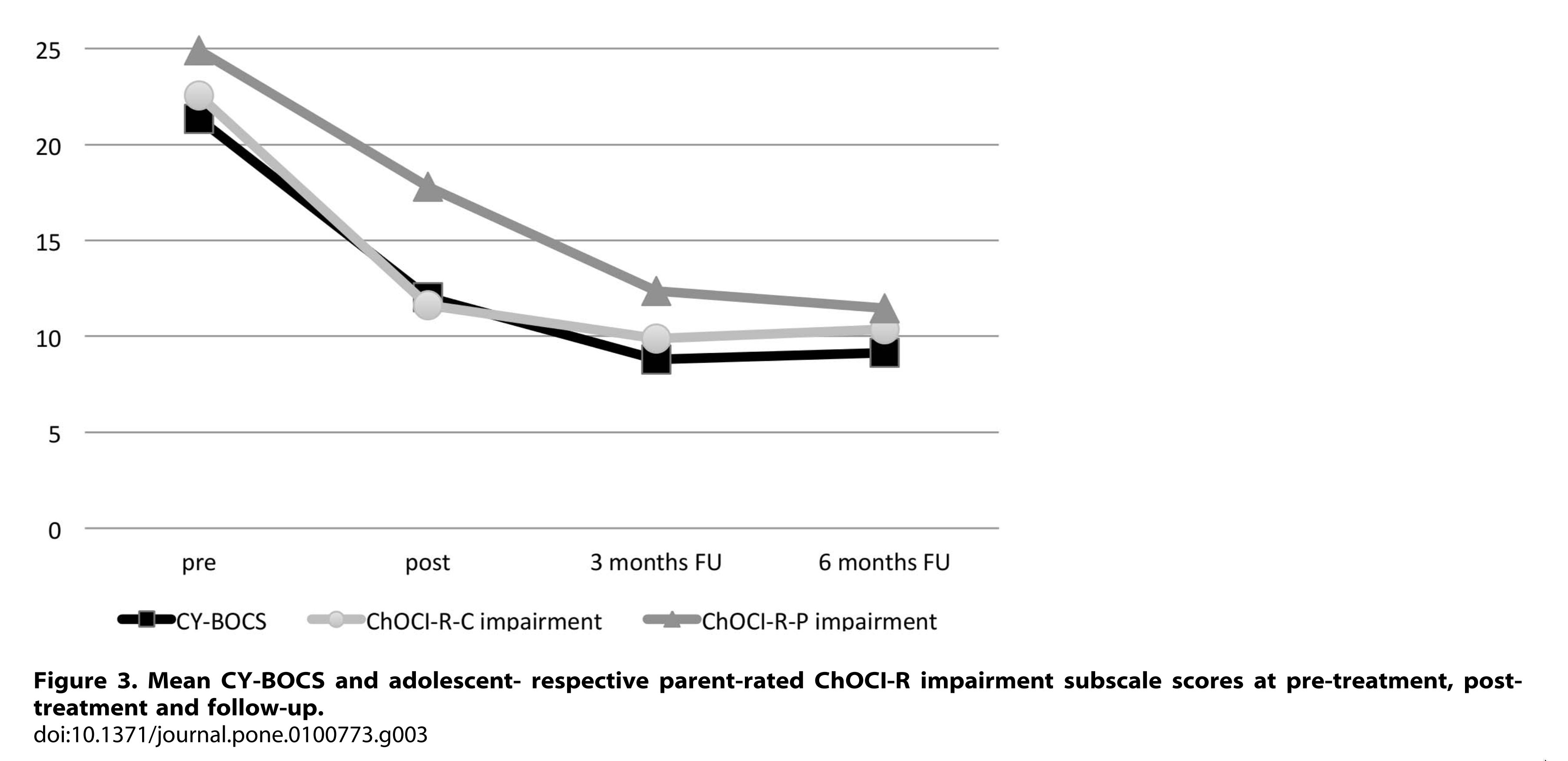
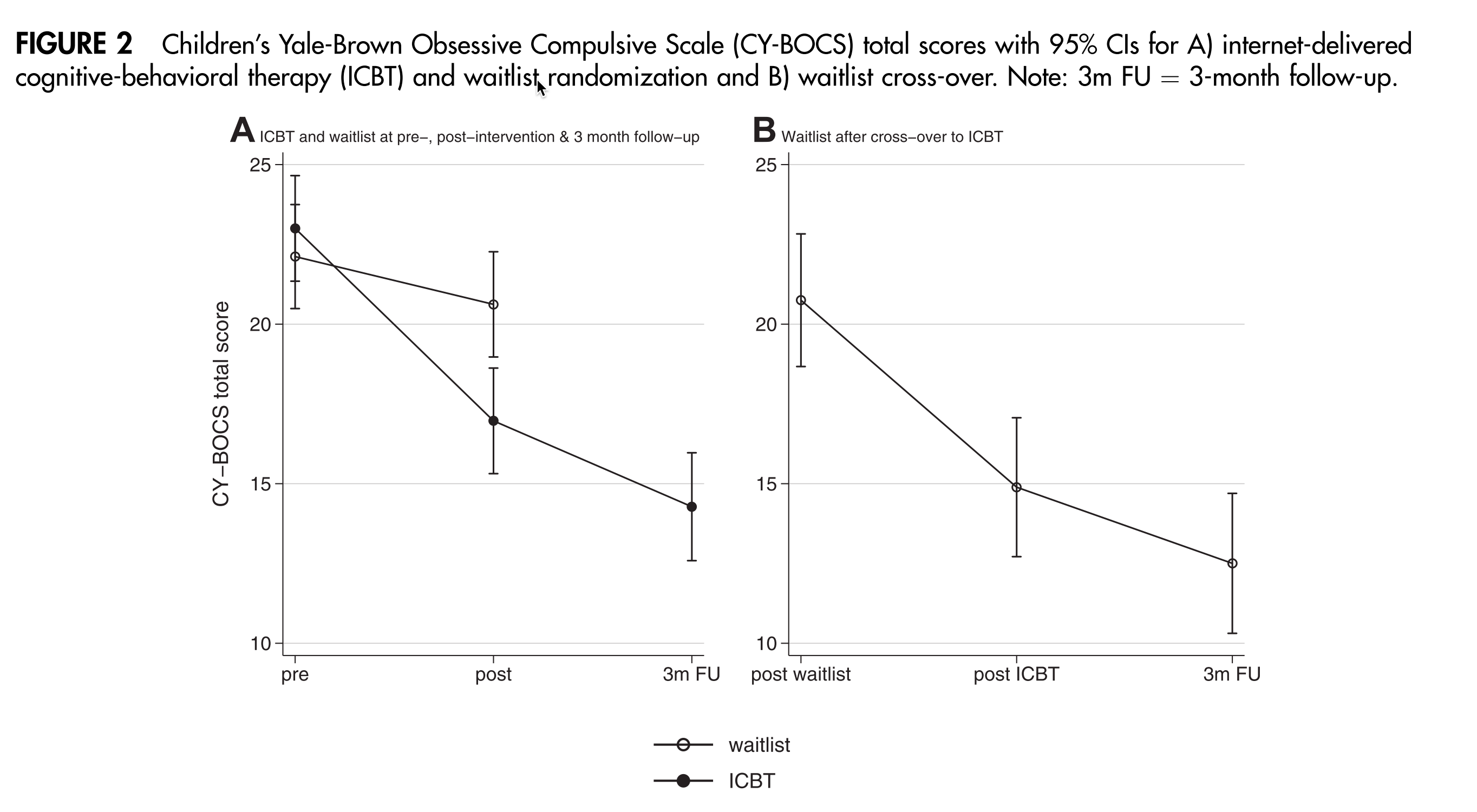
The results from both the open trial and the randomized trial indicate that internet-delivered CBT is an effective treatment for adolescents with OCD. The pre-post within-group effect sizes were large in both trials.
Professor John Piacentini: Optimizing Outcomes for Pediatric OCD
During his visit to Sweden, Professor Piacentini talked about research that aims to optimize outcomes in pediatric OCD. After receiving CBT, around 40 % of patients are in remission. While our treatments are effective for some, we still have a long way to go in order to treat every child and adolescent with OCD. Looking into specific mechanisms of change might be a way to optimize the current treatments.
Professor Piacentini of UCLA
Some suggested mechanisms include expectations of recovery (which might be mediated by home work compliance), the ability of a therapist to push exposures, and affect labeling (”I feel scared”) rather than cognitive restructuring during exposure.
Professor Piacentini also discussed recent work on neurotransmitters that directly target the underlying brain correlates of OCD. For example, glutamate levels might serve as a possible moderator of treatment outcome. We are awaiting the results from trials that aim to change glutamate levels pre-treatment to enhance the outcomes of CBT.
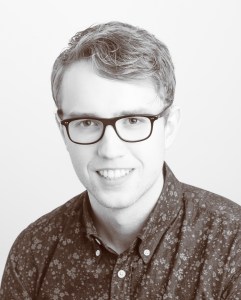
Hi! My name is Oskar Flygare and I’m the latest addition to the group of PhD students at Rücklab. I have been working in the group for a year and am now a registered doctoral student with Christian Rück as main supervisor. Co-supervisors are David Mataix-Cols and Erik Andersson.
Photo: Martin Hammar
The focus of my PhD thesis is the psychological treatment of OCD
Lina Lundström and I are the project managers of a randomised controlled trial that compares two types of internet-delivered cognitive behavioural therapy (ICBT) with face-to-face cognitive behavioural therapy for adults with OCD. The three treatments are:
Individual face-to-face CBT
Therapist-guided ICBT
Self-guided ICBT
120 individuals will be randomised to receive one of the treatments, i.e. 40 patients in each treatment arm. Treatment lasts for 14 weeks. We are recruiting participants and you can register here.
Our main goal is to evaluate the treatments on how well they provide symptom relief. In addition to this, I will also perform cost-effectiveness analyses on the three treatments, i.e. evaluate the benefits in relation to costs. My study plan also contains research on predictors and moderators of treatment outcome.
When I’m not doing a deep-dive in obscure research, I enjoy playing and listening to music. I have been playing the saxophone for 15 years and wanted to become a professional musician when I was a teenager. I came to my senses after three years of intense music studies in high school and switched to psychology.
Please get in touch if you want to exchange ideas or talk about interesting research! I am always curious, sometimes thoughtful and never indifferent.
Dr. Blake F. Dear, Co-Director of the eCentreClinic in Australia, recently visited Karolinska Institutet to partake in the dissertation of Marianne Bonnert. While in Sweden, he also gave a talk on recent updates from the Australian eCentreClinic. They develop internet-delivered psychological treatments for common mental health and physical health conditions.
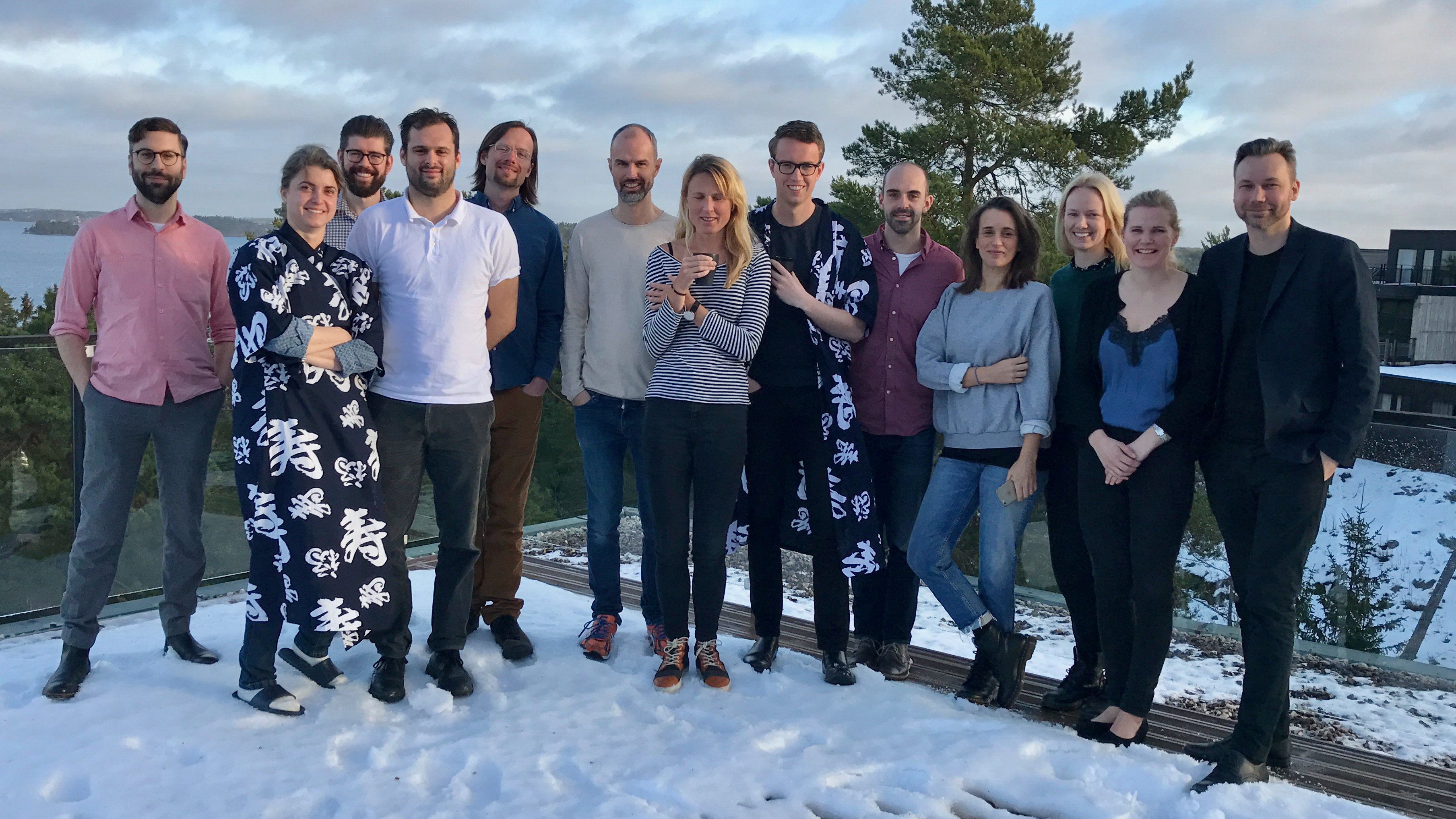
From left to right: Josef Isung, Diana Radu Djurfeldt, Gustaf Brander, Volen Ivanov, James Crowley, Christian Rück, Lina Lundström, Oskar Flygare, Andrew Gentile, Evelyn Andersson, Julia Boberg, Mia Asplund and Jesper Enander.
It’s officially 2017, and the members of our group took to Yasuragi spa & bath outside Stockholm for this year’s retreat! Although some were more devoted to the Yasuragi-outfits than others (see above), everyone participated in the different activities with enthusiasm.





 Rücklab - Psychiatry research at Karolinska Institutet