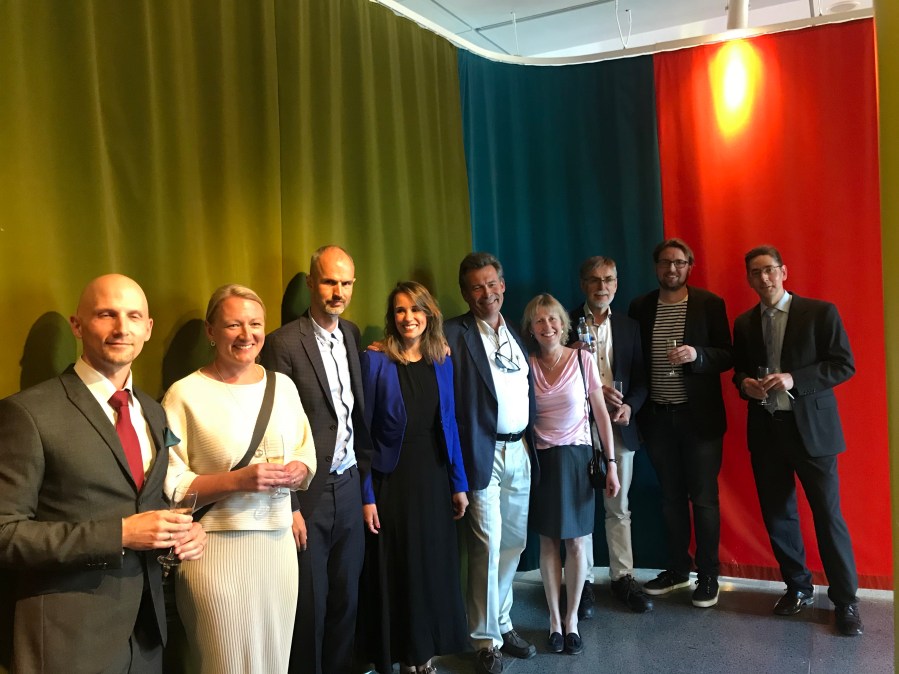
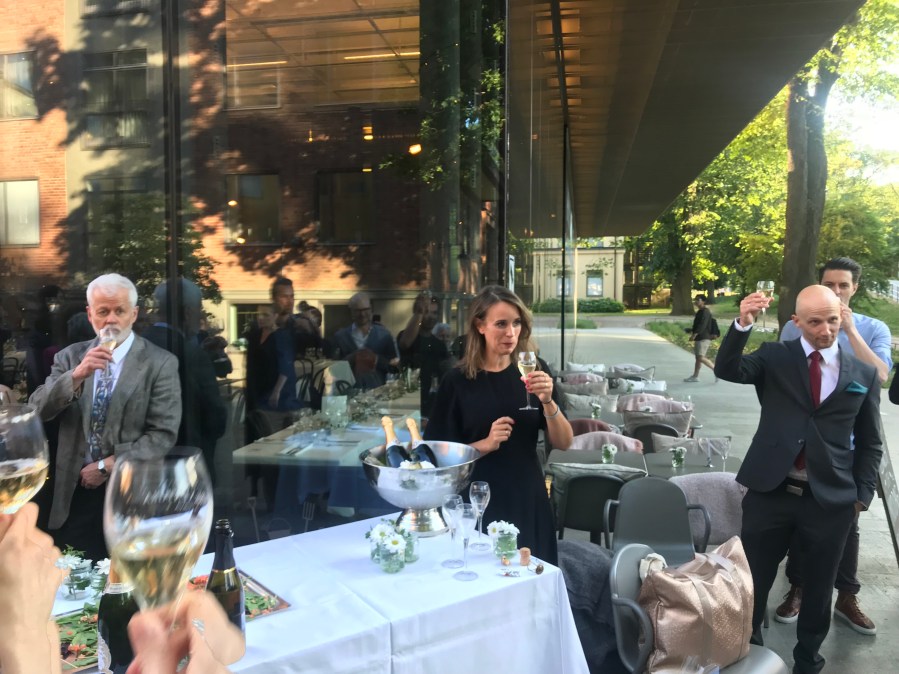
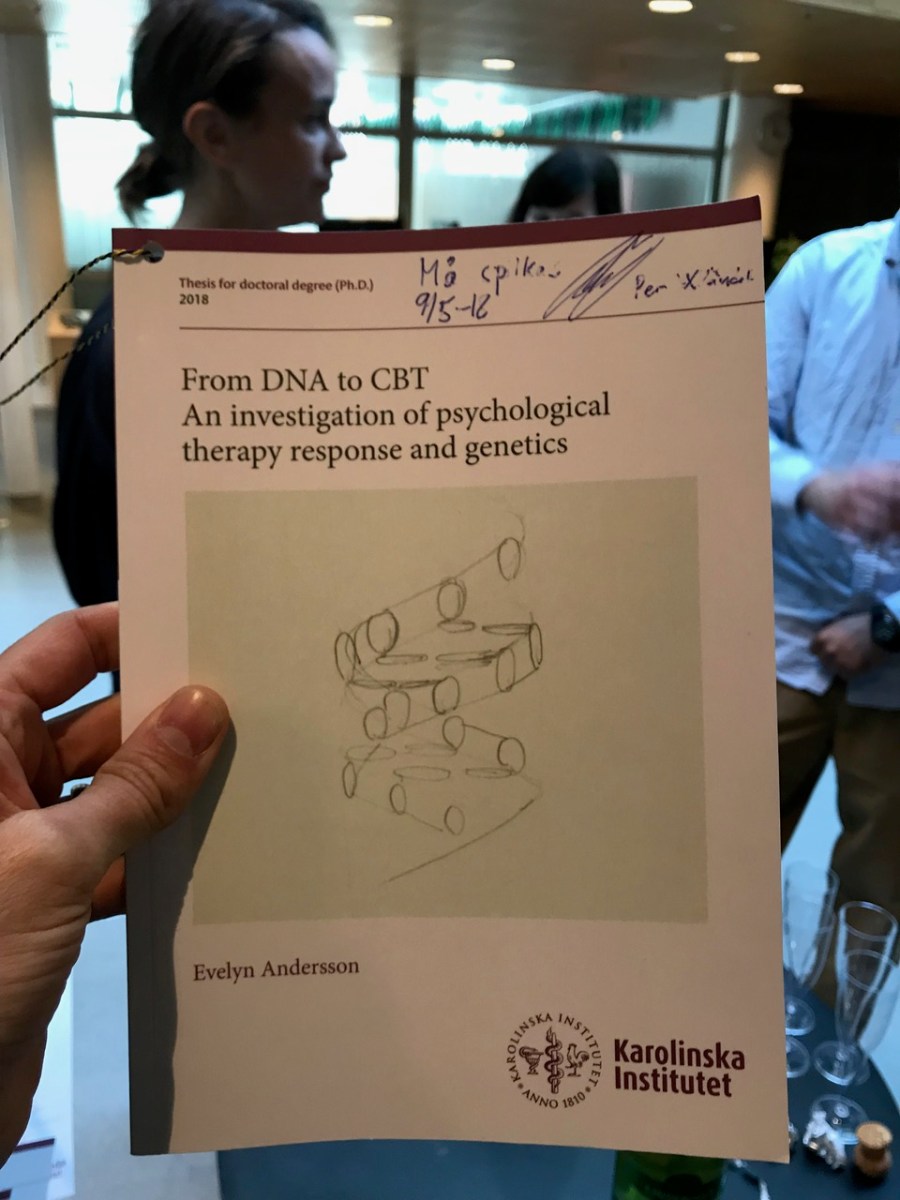
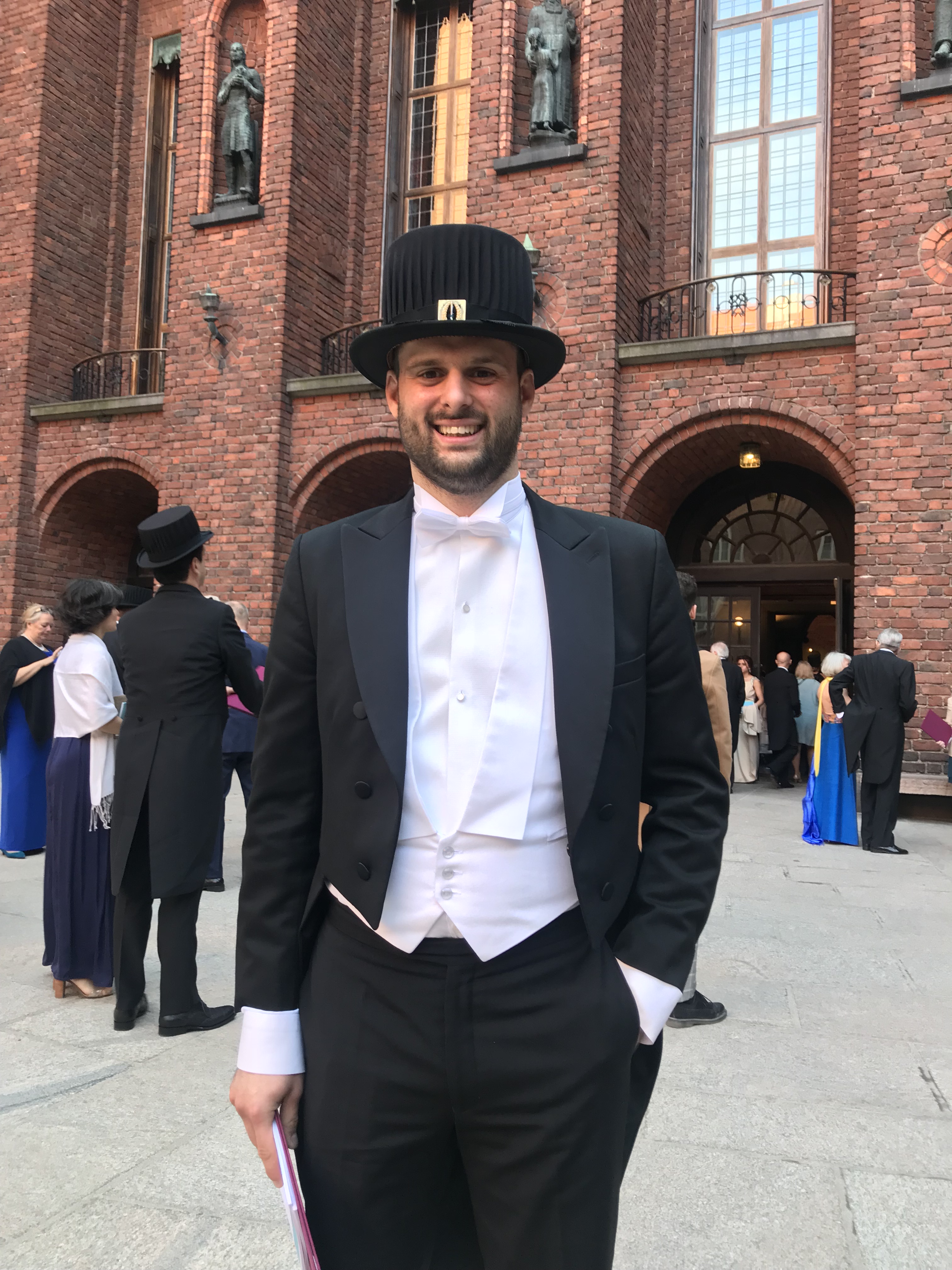
Yesterday Volen Ivanov got promoted to PhD at a beautiful ceremony at the City Hall. Congrats Volen! Nice hat! 
Category: News

We are proud that a landmark study of depression genetics published in Nature Genetics has Professor Manuel Mattheisen as one of the lead authors. Manuel is a Professor at Würzburg University but also affiliated to our group at Karolinska Institutet.
The authors conducted a genome-wide association meta-analysis based in 135,458 cases and 344,901 controls and identified 44 independent and significant loci. The genetic findings were associated with clinical features of major depression and implicated brain regions exhibiting anatomical differences in cases. Targets of antidepressant medications and genes involved in gene splicing were enriched for smaller association signal. We found important relationships of genetic risk for major depression with educational attainment, body mass, and schizophrenia: lower educational attainment and higher body mass were putatively causal, whereas major depression and schizophrenia reflected a partly shared biological etiology. All humans carry lesser or greater numbers of genetic risk factors for major depression. These findings help refine the basis of major depression and imply that a continuous measure of risk underlies the clinical phenotype.
Here is a commentary in The Guardian.
Nature Genetics volume 50, pages 668–681 (2018)
Full paper: https://www.nature.com/articles/s41588-018-0090-3
Vi söker tre medarbetare för att arbeta med oss med att lösa vad orsakerna till sjukdomar som OCD är.
Forskningssjuksköterska:
https://ki.mynetworkglobal.com/se/what:job/jobID:191723/type:job/where:4/apply:1
Forskningsassistent:
https://ki.mynetworkglobal.com/se/what:job/jobID:192808/type:job/where:4/apply:1
Projektsamordnare:
https://ki.mynetworkglobal.com/se/what:job/jobID:192810/type:job/where:4/apply:1
In a new study published in Molecular Psychiatry led by David Mataix-Cols we have studied if a number of autoimmune disorders where more common in OCD and Tics compared to the population.


The study can be found here: https://www.nature.com/articles/mp2017215
A new study just out in Nature Communications:

Obsessive-compulsive disorder is a severe psychiatric disorder linked to abnormalities in glutamate signaling and the cortico-striatal circuit. We sequenced coding and regulatory elements for 608 genes potentially involved in obsessive-compulsive disorder in human, dog, and mouse. Using a new method that prioritizes likely functional variants, we compared 592 cases to 560 controls and found four strongly associated genes, validated in a larger cohort. NRXN1 and HTR2A are enriched for coding variants altering postsynaptic protein-binding domains. CTTNBP2 (synapse maintenance) and REEP3 (vesicle trafficking) are enriched for regulatory variants, of which at least six (35%) alter transcription factor-DNA binding in neuroblastoma cells. NRXN1 achieves genome-wide significance (p = 6.37 × 10⁻¹¹) when we include 33,370 population-matched controls. Our findings suggest synaptic adhesion as a key component in compulsive behaviors, and show that targeted sequencing plus functional annotation can identify potentially causative variants, even when genomic data are limited.
New Scientist reported about the study and there is a short video here:
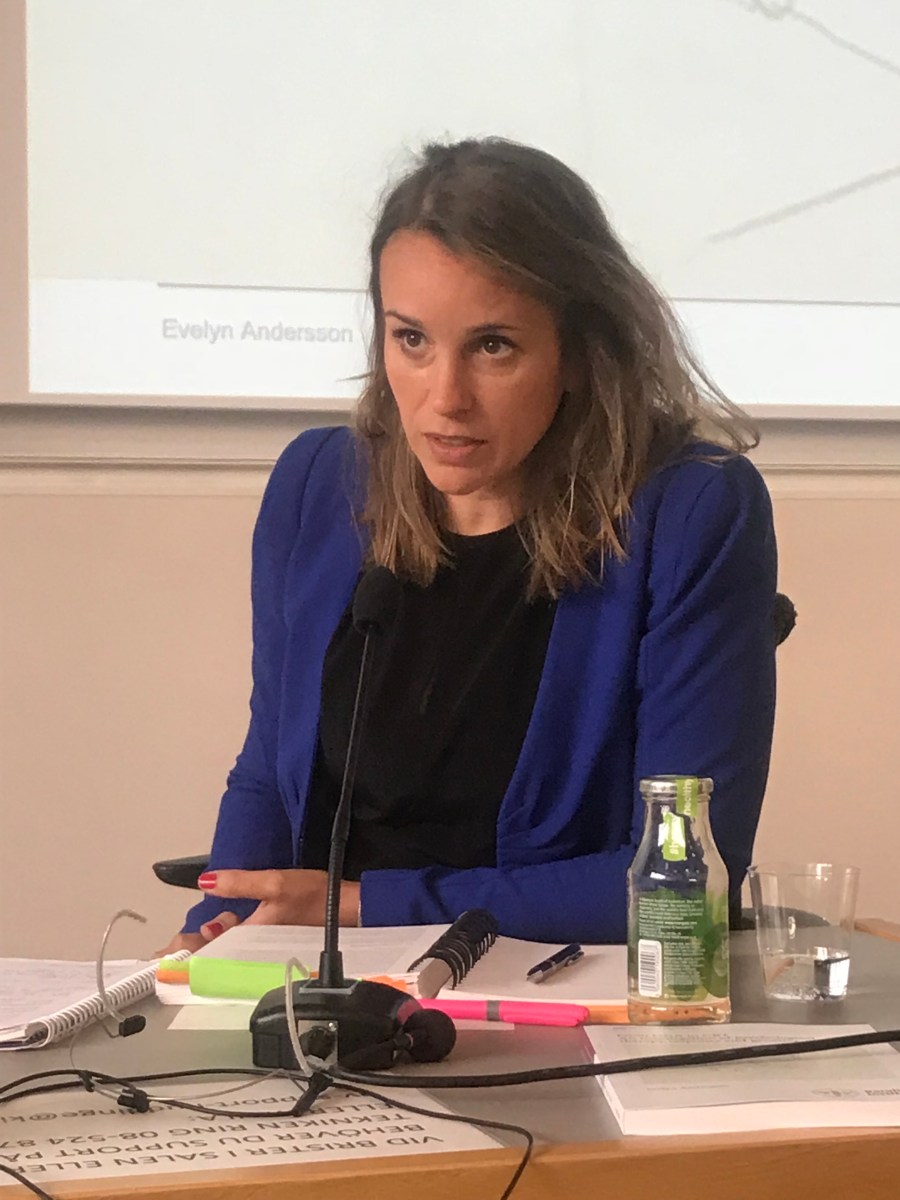
The 25th World Congress of Psychiatric Genetics just ended in Orlando. Evelyn Hagen Andersson, Julia Boberg and Christian Rück represented our group.
There was huge interest in the poster that Evelyn presented on the association of genetic load for ADHD and Autism and outcome of CBT for depression in a sample of 971 patients. The conference also included a presentation by Andreas Forster on the largest genome-wide study of panic disorder where 400+ cases from our data collection where included. We are happy to soon be part of several work groups of the Psychiatric Genomics Consortium. The future in psychiatric genetics is clearly collaborative.


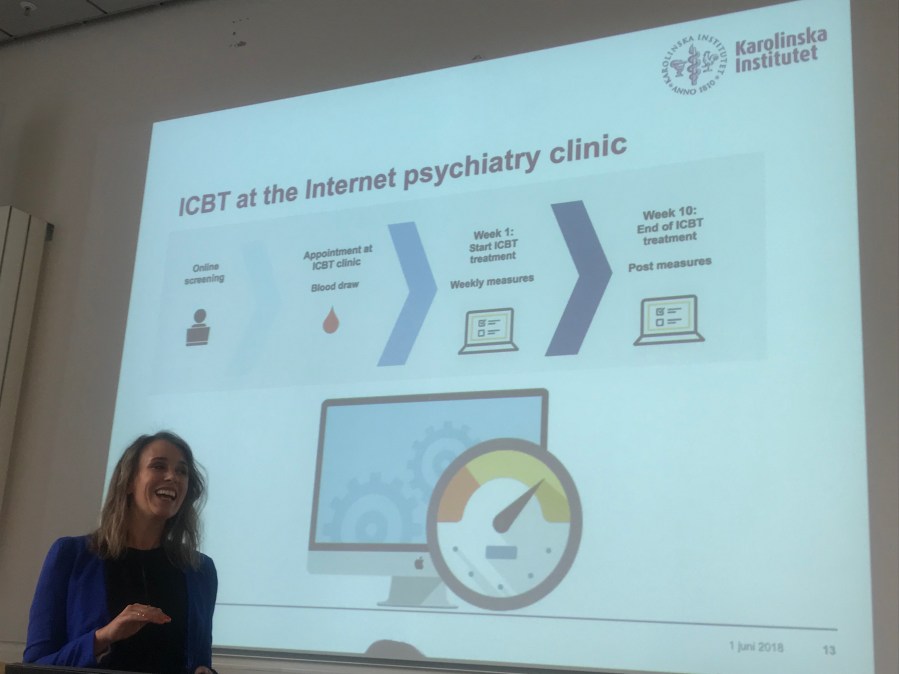
Lina, Diana, and Oskar traveled to Berlin for the World Congress of Psychiatry, arranged by the World Psychiatry Association. Lina presented the work we do in internet-delivered CBT treatments during a symposium on the frontiers of OCD research. We were also able to attend a multitude of presentations within the broad field of psychiatry.


Some highlights from the conference:
- Nasal oxytocin injections as a potential treatment for psychiatric problems
- Genetic and epigenetic mechanisms underlying susceptibility to psychopathology (elegantly presented by Professor Michael Meaney of McGill University, Canada)
- The future of cognitive behavioural therapies
- Psychiatric needs of refugees
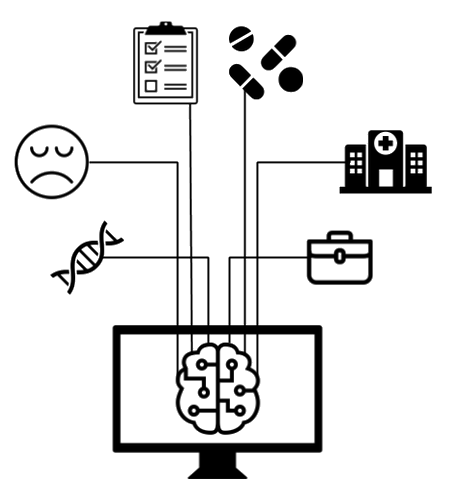
- Using genetic data and artificial intelligence to predict treatment outcomes
Third wave of cognitive behavioural therapies
This symposium included short talks by Professor Emily Holmes, Professor Adrian Wells, Professor Paul Summergrad and Professor Fritz Hohagen.
A common theme in the discussion was to increase the theoretical rigor of our treatments by developing interventions that target specific mechanisms of change. Professor Holmes noted that there’s a wealth of research in basic science that can potentially inform what we do in the clinic. By identifying these mechanisms and translating them into clinical interventions, we will be able to improve our therapies and sharpen our clinical tools.
”Indeed, it’s a great challenge is to map therapeutic techniques to specific processes. First, we need to go back to models of causality of processes and mechanisms, and then devise therapeutic techniques to target specific processes.” – Adrian Wells
Mental health in Syrian refugees
The war and accompanying atrocities taking place in Syria has forced more than 5 million Syrians to flee the country. More than 600,000 of these refugees have ended up in Germany (150,000 in Sweden) so psychiatrists are now trying to understand the amount of psychological distress and the treatment options available.

The experiences of war and oftentimes dangerous escape to Europe means these individuals are at increased risk of mental health problems. Stress, post-traumatic stress disorder, and depression are among the most common in a sample of 3000 refugees seen at a centre in Berlin.
However, the common theme of these presentations is resilience. Although Syrian refugees have witnessed and experienced things that are unimaginable to many Europeans, a majority of them recover and prosper without much psychiatric attention.
Lina Lundström, PhD student in our group, was recently interviewed by Stockholm Centre for Eating Disorders and will give a lecture at the clinic Wednesday October 18th.
You can read the interview (in Swedish) here: https://foubloggen.com/2017/10/12/onsdagsforelasning-om-ocd-och-atstorningar/
Volen Ivanov publicly defended his thesis “Never let go! : the etiology, clinical presentation and treatment of hoarding disorder” last Friday. The defense and opposition by Professor Kiara Timpano was a true celebration of science. Congratulation Volen to your well-deserved PhD!


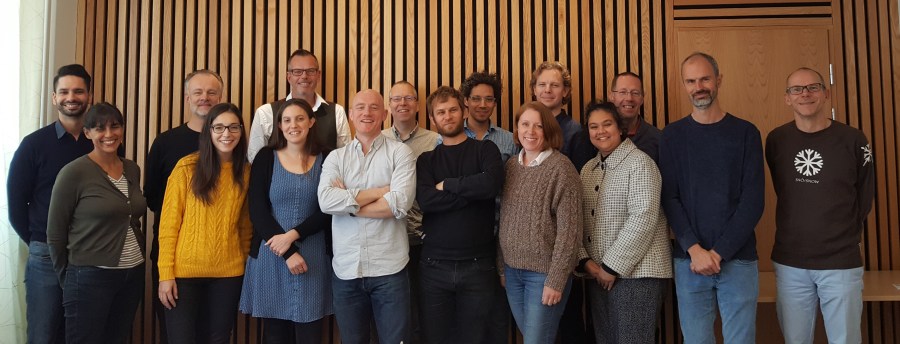
Last monday we had some important guests from Denmark, Norway and USA for an OCD genetics meeting at Villa Källhagen in Stockholm.
Patrick Sullivan, professor at MEB, KI, gav an excellent presentation on the big picture of psych genetics. See his Stockholm psychiatry lecture from 2015 here.

Ellinor Karlsson did a talk on dog genetics and dog OCD or canine compulsive syndrome (CCD). She runs the Karlsson lab at Broad and collects DNA samples through Darwin’s dogs.

We also got updates on DNA collection from the Swedish and the Norwegian side of the project, great discussion and input on how to improve recruitment at this point of the study.
All in all, a great day for genome research in the OCD field.