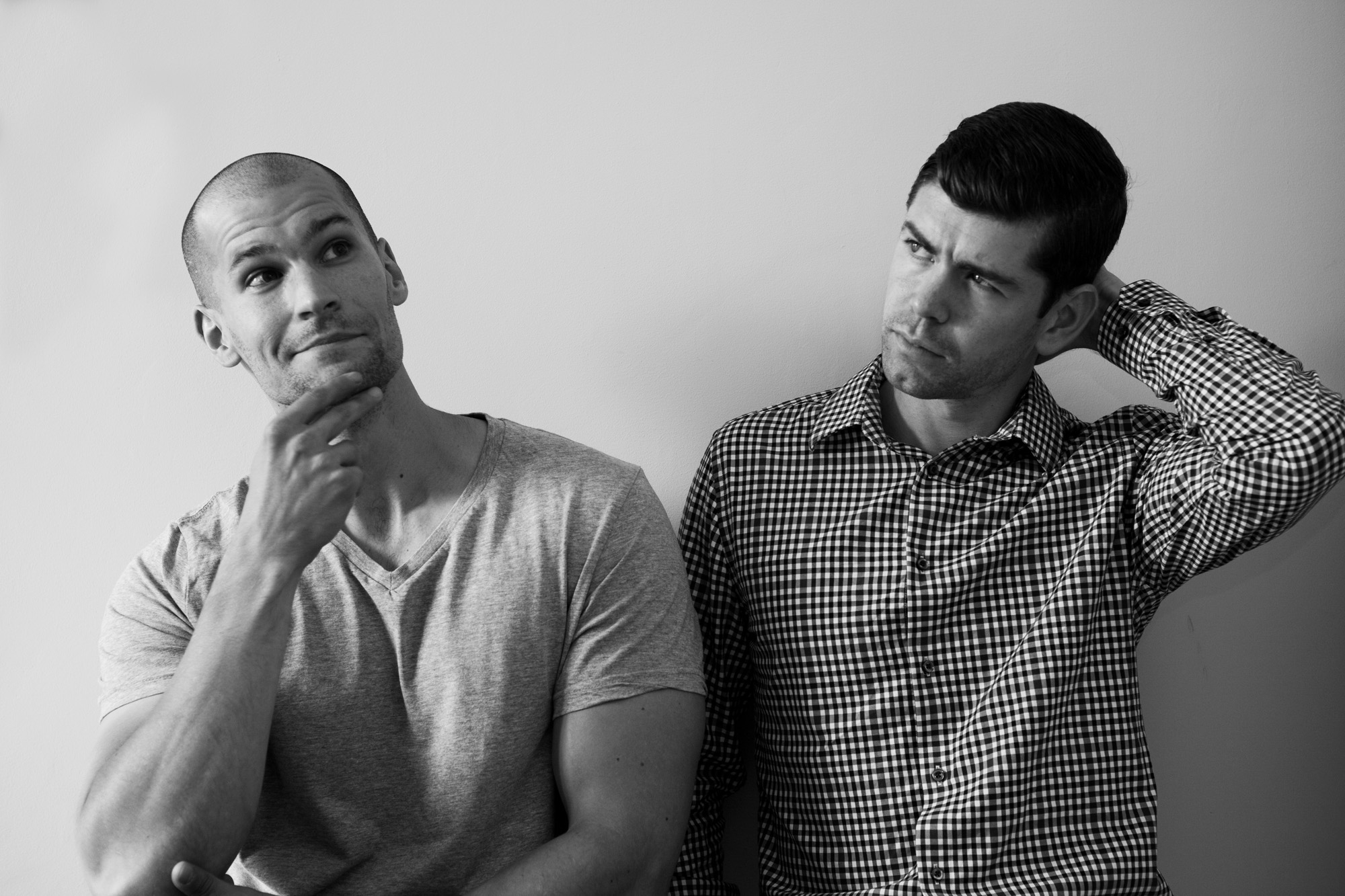
In an almost desperate attempt to be percieved as cool and hip we are now officially on Instagram. @christianruck

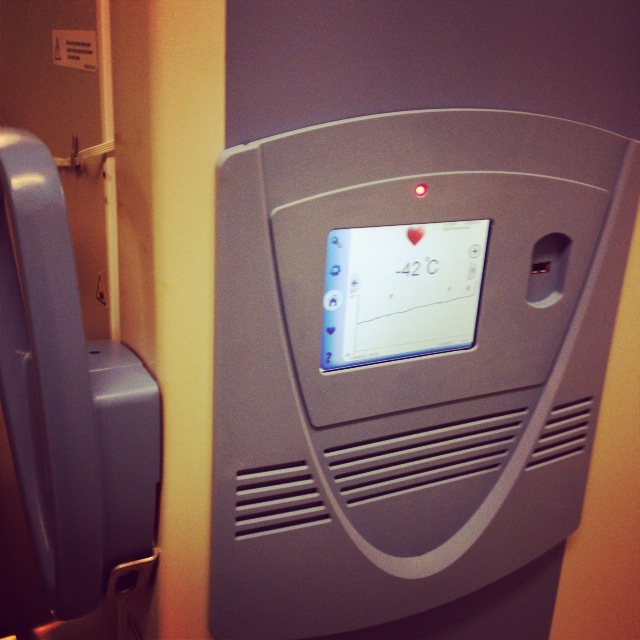
We have a lot of DNA, RNA and plasma in our rather new – 86 C freezer. What we do not like is a breakdown of the freezer with thawing of the valuable treasures in the freezer as a result. That is why there is a temperature alarm in the freezer that goes to hospital staff that call or text us if the temperature is rising. So, in the middle of a normal Saturday I had to go check on our freezer since the alarm had indicated high temperature. With a sense of urgency normally only seen in thriller movies I rushed our samples to the spare freezer that will house our things until our freezer is behaving again. Good to know that our backup system works.

Våra vänner från Columbia University har startat en ny studie om vilken typ av behandling personer med patologiskt samlande/hoarding skulle kunna tänka sig att ta emot. Även personer med patologiskt samlande från Sverige kan delta. Läs gärna texten nedan för att se om du kan delta i studien eller tipsa gärna någon du känner om studien.
Tell us what type of treatments and services you find most acceptable for your difficulties with clutter. A Web-Based Study from Columbia Psychiatry
Do you have difficulty discarding or parting with possessions, excessive collecting, or clutter in your home? If so, you may be eligible to participate in an anonymous online survey (Columbia Psychiatry, IRB #6677) to help us better understand what kinds of treatments and services are acceptable to you. The entire study will take you approximately 30 minutes to complete. After completing the survey, you can enter for a chance to win a $100 Amazon.com gift card. Click here to take the survey.
For further information, please visit our website:
Columbia Psychiatry Hoarding Research Program http://www.columbiapsychiatry.org/hoarding/
Curious about hoarding? Take some time to listen to Dr. Carolyn Rodriguez from Columbia University discuss hoarding and housing with Rücklab’s Volen Ivanov here. Several other great articles, podcasts and videos on hoarding can also be found here.
One of the most brilliant reserachers we know of is coming to Stockholm soon, don’t miss: 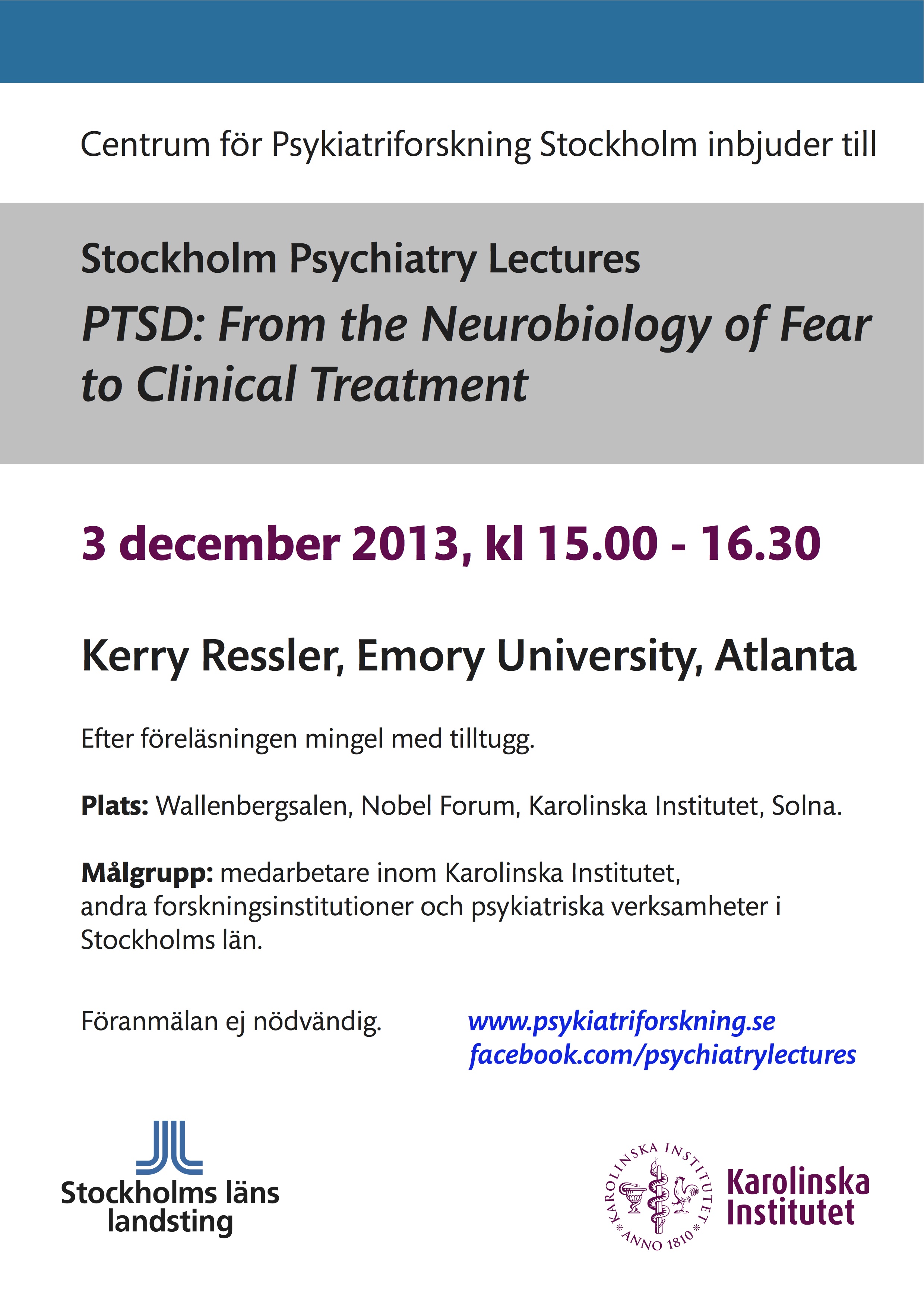
David Nutt’s Stockholm Psychiatry Lecture on the safety and harm of drugs and why psychiatry should wake up and study these compounds: http://www.youtube.com/watch?v=mDo09IBVHZw&feature=youtu.be …
A new study is out with lead author Erik Hedman. If you wonder why we call him “pekmaskinen” (Swedish for “the manuscript machine”, check Pubmed.
The study is the first to investigate mechanisms of improvement in Internet-based cognitive behaviour therapy (CBT) for severe health anxiety. We assessed mediators as well as outcome on a weekly basis throughout treatment among participants receiving Internet-based CBT in a randomized controlled trial. The results showed that reduced perceived risk of disease, less attention to bodily symptoms, and reduced intolerance of uncertainty significantly mediated improvement in health anxiety.The findings have theoretical and clinical implications as they indicate processes that may be causally related to the improvements observed after CBT for health anxiety.
Click the link for the full text:

This years round of Stockholm County Council grants (ALF PPG) was a good one for us:
Our BDD project was awarded with 300000 + 250000 SEK ( 2 years) and the Deep Brain Stimulation project headed by Diana Radu Djurfeldt was awarded 200000 + 200000 SEK.
 On December 2nd: a workshop by Prof Kerry Ressler, Emory University on the neurobiology of fear learning and extinction, including
1) Current psychotherapy and pharmacology treatment approaches to OCD
2) Translational human research on extinction processes to understanding CBT
3) Mouse behavioral/genetic research approaches to OCD and Extinction
4) Molecular neurobiology of extinction and future directions to enhancing treatment and CBT
More info and how to register at: https://www.facebook.com/events/571586239534400/
We had two great nominations and choosing the winner was hard, in fact so hard that we had to find an additional extrernal reviewer to make the descision.
The winners are:
Gustaf Brander and Per Söderholm, graduates of Stockholm University for their Master Thesis: “Tilläggsbehandling som återfallsprevention efter internetadministrerad KBT vid tvångssyndrom- en randomiserad kontrollerad studie” (Adding a booster to internetbased CBT – a RCT). Supervisor: Jan Bergström.
The runners-up:
Henrik Engelmark and Niclas Stagnér, graduates of Uppsala University. Master Thesis: “Exponering med responsprevention för tvångssyndrom i ett kliniskt sammanhang – en behandlingsutvärdering på OCD-Centret i Uppsala”. (ERP for OCD – evaluated in a clinical setting”. Supervisors: Timo Hursti and Sandra Bates.
We wish to thank our review board (David Mataix-Cols, Tord Ivarsson and Susanne Bejerot).