🎉 Susanna Österman’s dissertation 🎉

Congratulations, Susanna!

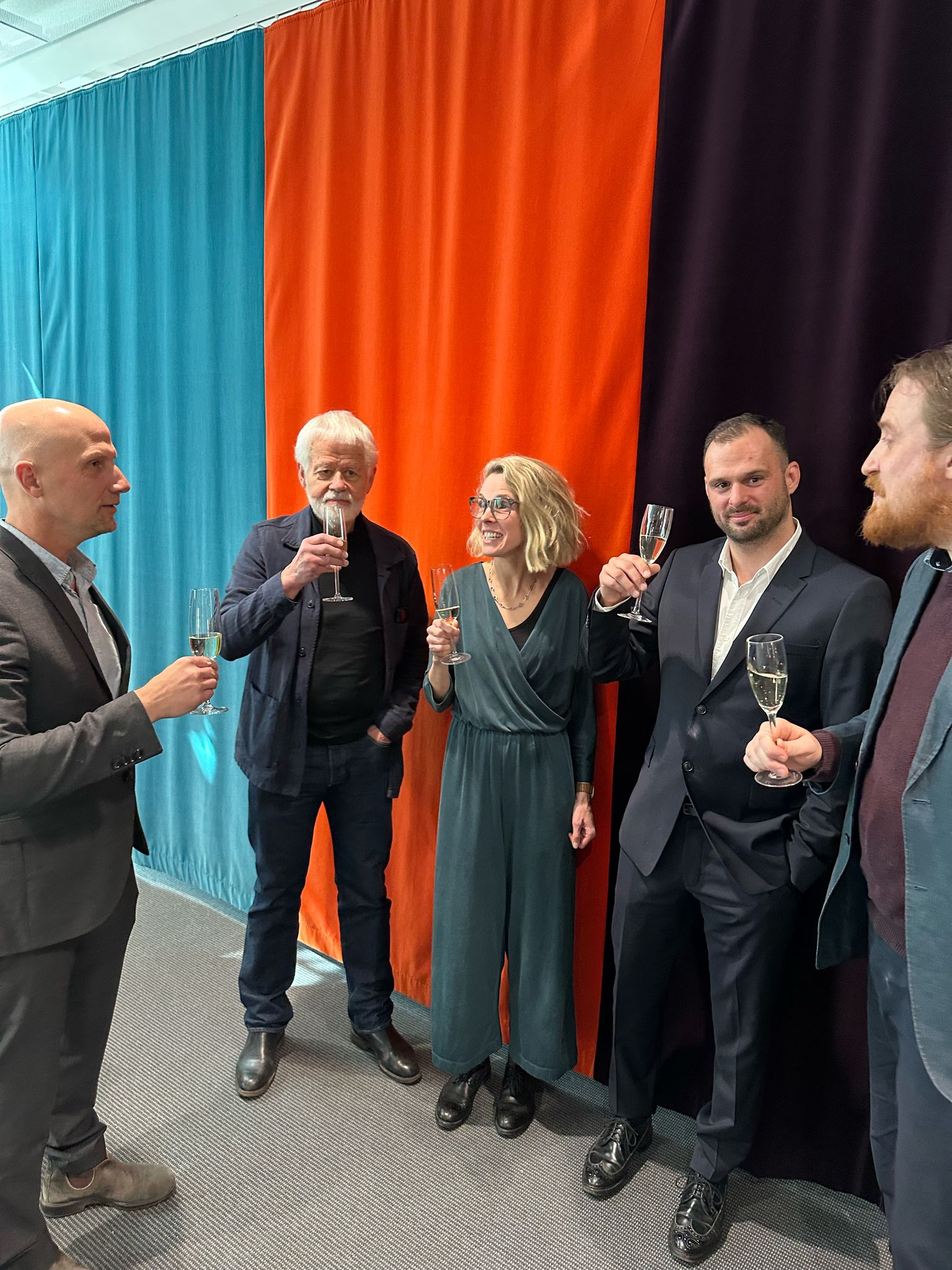
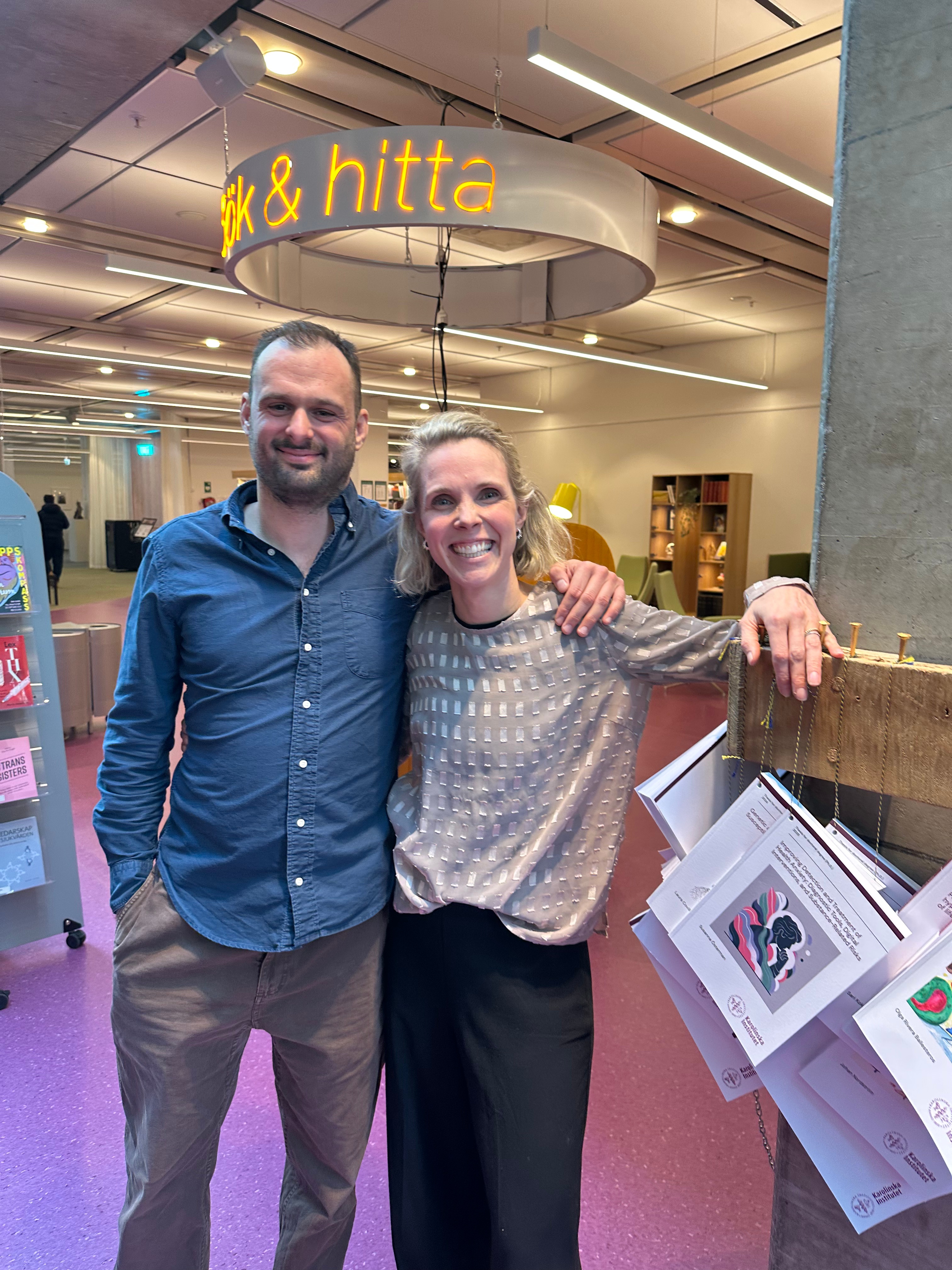
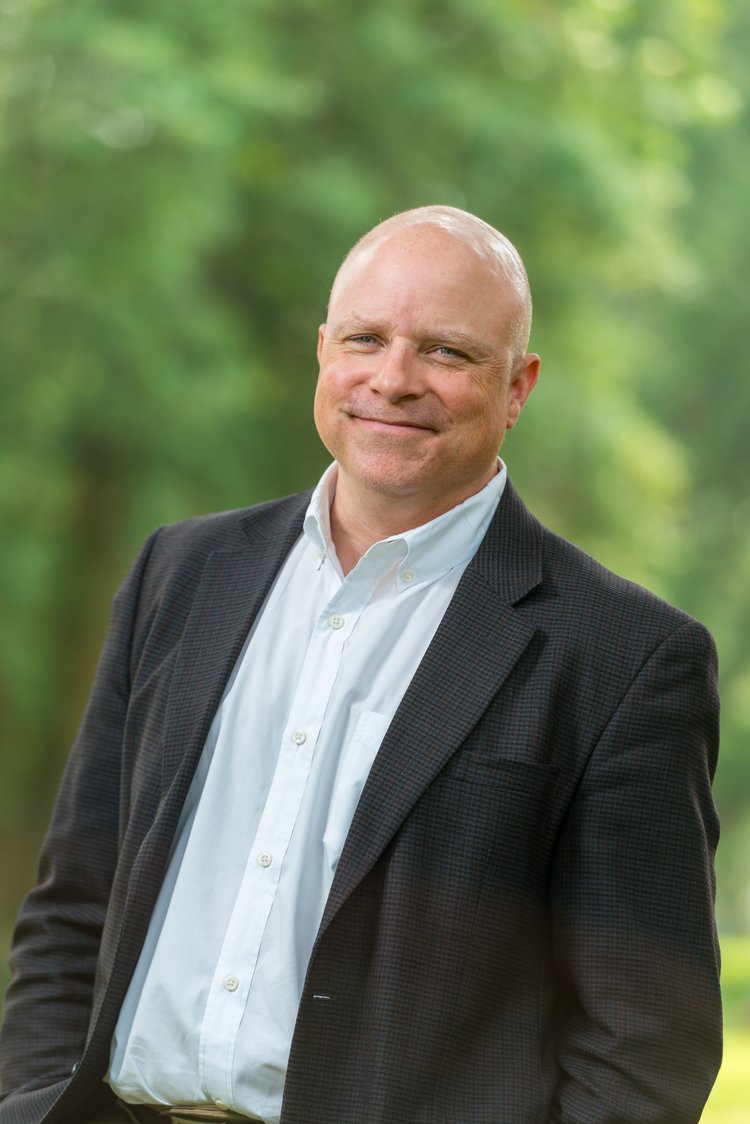
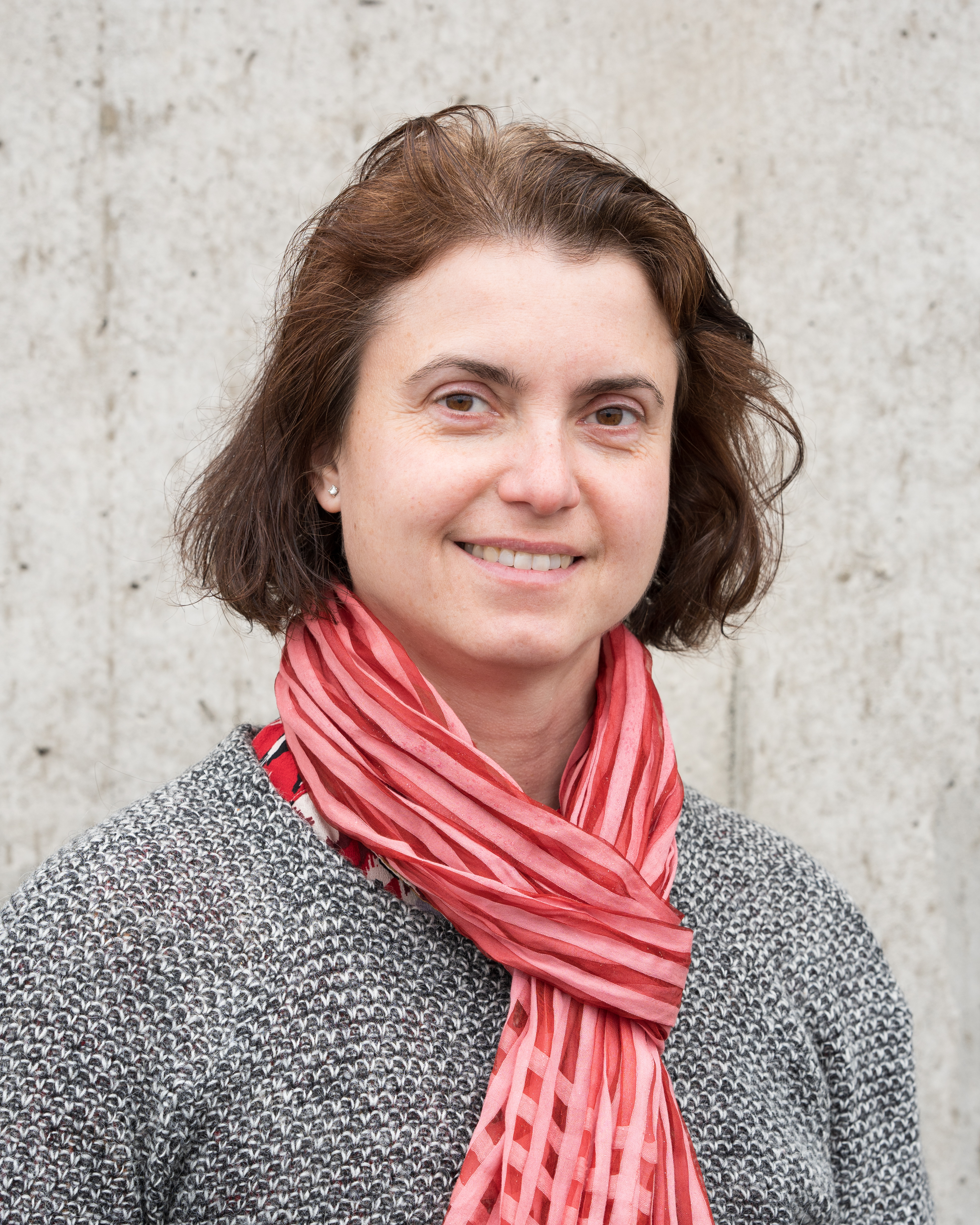
Today, our talented Susanna Österman successfully defended her thesis Improving Detection and Treatment of Health Anxiety: Diagnostic Tools, Digital Interventions, and Substance-Related Risks in Alfred Nobels allé at Karolinska Institutet (KI), Flemingsberg. Opponent was Professor David Tolin, Department of Psychiatry, Yale University School of Medicine.

Also present were principal supervisor Volen Ivanov and co-supervisors Erland Axelsson (KI), Erik Hedman-Lagerlöf (KI) and Nils Lindefors (KI). The examination board consisted of Ann-Sophie Lindqvist Bagge (University of Gothenburg), Sven Alfonsson (KI), Erik Pettersson (KI).

What is severe health anxiety?
Severe health anxiety is a disabling condition where individuals experience persistent and excessive fear of illness. These fears lead to considerable emotional distress, impair daily functioning, and reduce overall quality of life. Although evidence-based treatments are available, many individuals remain undiagnosed and go without the support they need.

Susanna’s thesis set out to tackle these challenges by exploring how severe health anxiety can be better understood, detected and treated.

Click here to read the full thesis!

The entire Rück research group is incredibly proud of you, Susanna, and your important contributions toward improving care for people affected by this condition. 💐💐

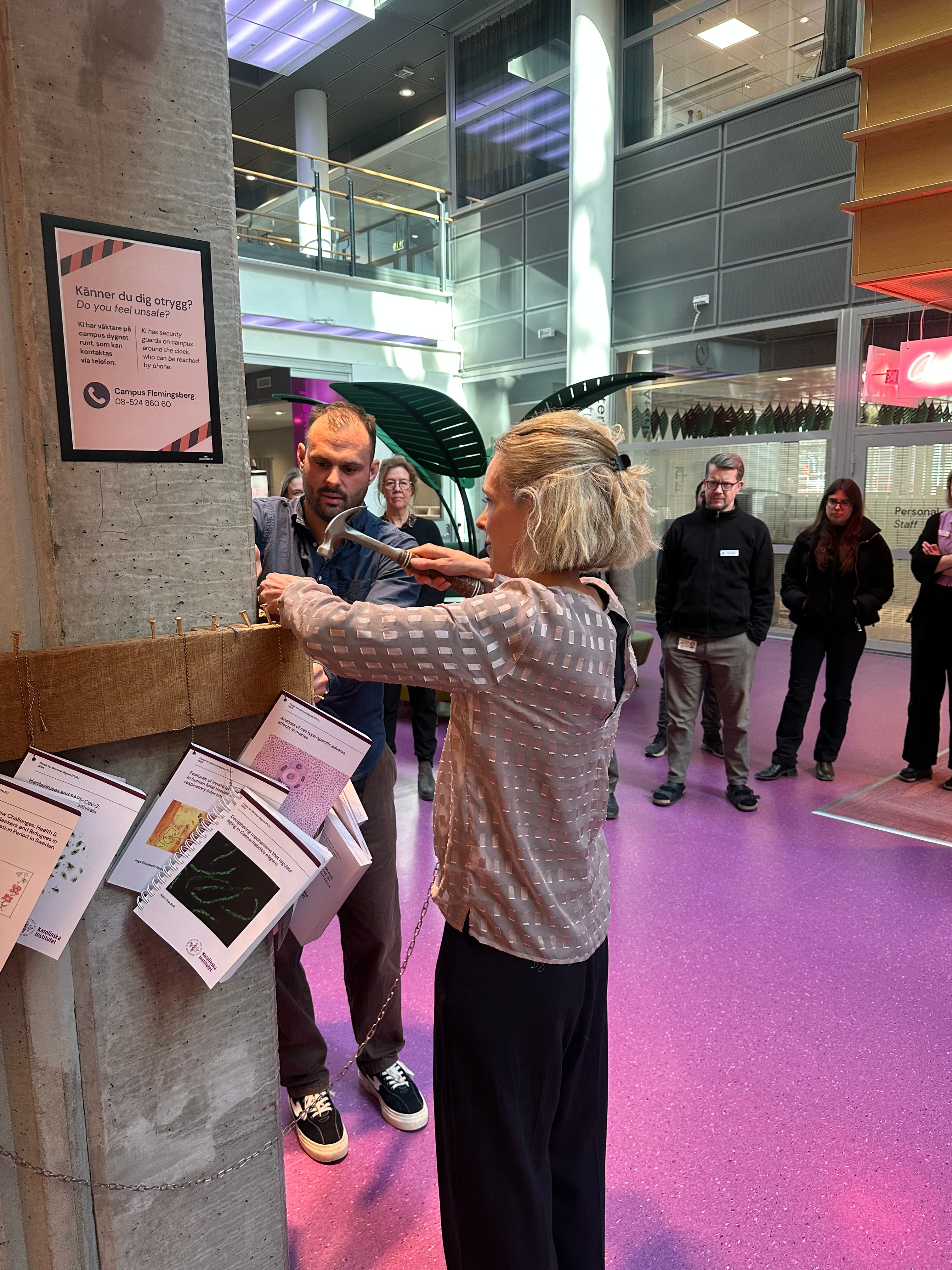
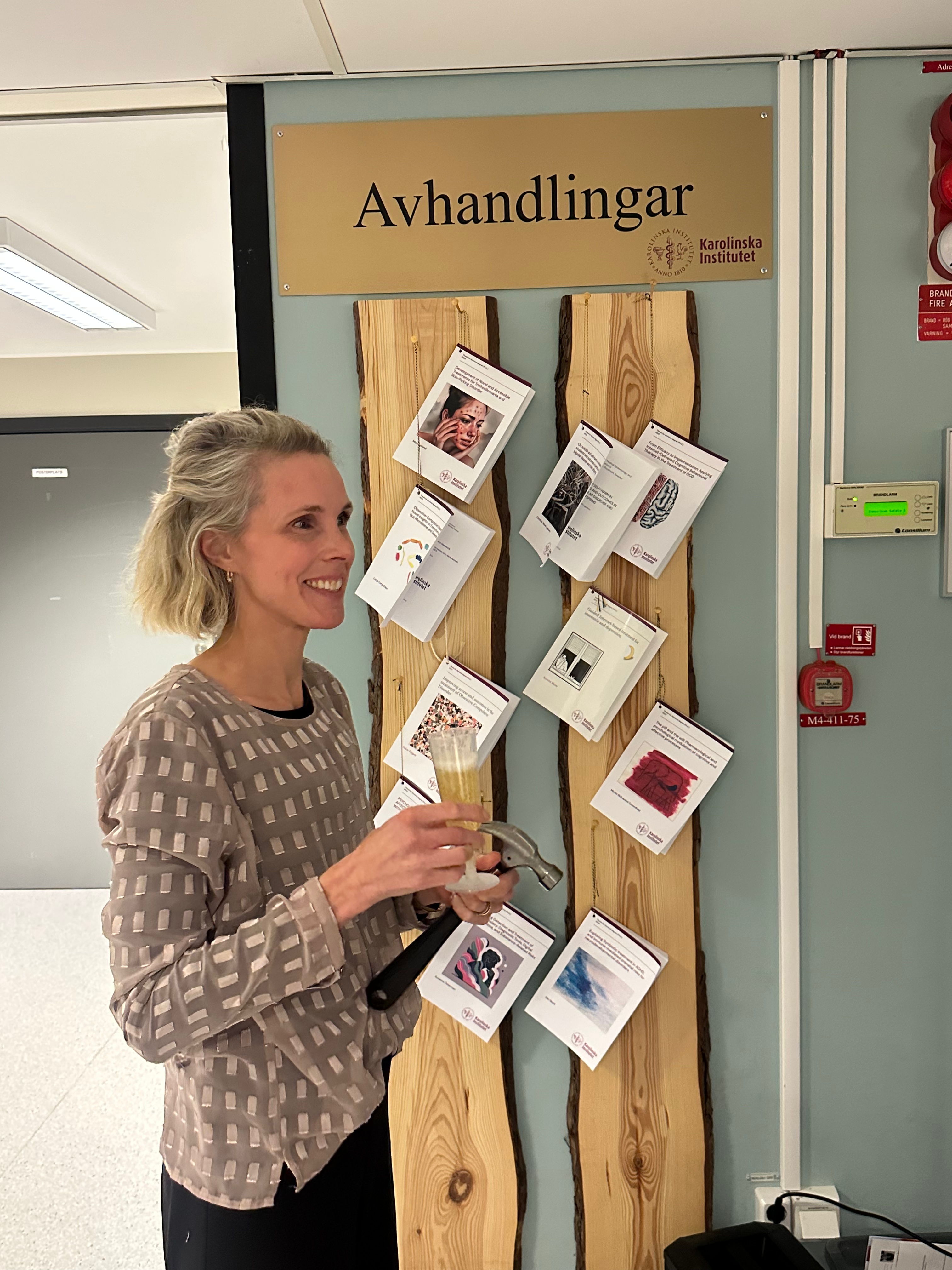
Susanna nailing it!

Yesterday, Susanna nailed her thesis “Improving Detection and Treatment of Health Anxiety: Diagnostic Tools, Digital Interventions, and Substance-Related Risks” in Flemingsberg 🔨🥂. There was a great turnout from both Rücklab and Kaldo group members.

We look forward to her disputation on April 11th!

Susanna Österman with her proud supervisor Volen Ivanov

Suicide Seminar: Prof. David Tolin on Brief CBT for Suicidal Inpatients

Photo, right: https://drtolin.com

Last week, the Centre for Psychiatry Research at Karolinska Institutet welcomed Prof. David Tolin from Yale University School of Medicine for a seminar in the Suicide Seminar Series. Prof. Tolin discussed the use of Brief Cognitive Behavioral Therapy for suicidal inpatients, discussing its role in preventing suicide attempts and reducing hospital readmissions.

Missed the seminar? You can watch the full recording here.

Apply now for our summer course – AI in Mental Healthcare!

In the KI facilities at Huddinge Hospital, Stockholm, our own Modelling team is busy making the final touches to their course on Artificial Intelligence in Mental Healthcare – a highly relevant topic for patients, their clinicians, the healthcare system, and society.

What was the idea behind the course?
The idea behind the course is to provide a deeper understanding of how AI can be integrated into mental healthcare, particularly within clinical psychology and psychiatry, says John Wallert, course leader and examinator. In the course we will explore both opportunities but also challenges of AI in mental healthcare. A running thread throughout this course also pertains to ethical implications of this technological development.

Why is this important?
AI plays an increasingly significant role in mental healthcare and can help improve diagnosis, treatment, and preventive measures, says John Wallert. The paradigm shift of AI will, in one way or another, matter for us all and I believe it is important to develop a comprehensive understanding of how this will affect mental healthcare. Understanding AI’s potential, limitations, and ethical implications is crucial to ensure that these technologies are used responsibly. The course is quite interdisciplinary. Students will gain a broad understanding of AI applications in mental healthcare.

John Wallert

What knowledge will students gain from taking the course?
A lot! The students will gain insight into AI’s role in improving personalized treatment, monitoring, and care, says Leoni Grossmann, teacher. They will develop insights into the specific strengths and limitations of AI compared to human caregivers, as well as a critical understanding of the ethical, practical, and societal challenges of AI implementation. Additionally, they will gain hands-on experience through workshops, providing them with a better understanding of how AI tools are developed and used in a clinical context.

Leoni Grossmann

What are the prerequisites for taking the course?
The course is for those who have studied at least 60 credits of higher education, says Björn Bråstad, amanuens. It is given in English and therefore also requires English B/English 6 with a minimum grade of pass/E. The course is an independent summer course given by a cross-professional team with several active elements between 2–16 June 2025 on site in Huddinge, Campus Flemingsberg.

Björn Bråstad

Application period: 17th of February – 17th of March.

Apply now!

Diana Pascal Recognized as Docent in Psychiatry

We are so happy to announce that our colleague, Diana Pascal, has been recognized as Docent in Psychiatry at Karolinska Institutet! Her research focuses on Obsessive-Compulsive Disorder (OCD), exploring its etiological and pathophysiological mechanisms as a foundation for improved treatment strategies, including Deep Brain Stimulation (DBS).

Reflecting on this achievement, Diana shared how the docent recognition opens new doors for conducting research projects, e.g., projects on exploring somatic aspects of psychiatric disorders, but it also opens new doors for engaging in higher-level teaching. Diana finds great satisfaction in combining clinical work, research, and education, emphasizing the importance of applying theoretical knowledge to real-world patient care.

Diana’s journey into research began unexpectedly—what she describes as “a slip on a banana peel.” Initially drawn to molecular biology and receptor pharmacology, she later developed a passion for structured psychiatric diagnostics and cognitive neuroscience. Over time, she became deeply invested in understanding the brain as a network and how different disciplines can come together to advance treatment for psychiatric disorders.

For Diana, the most rewarding aspect of her work is the opportunity to translate research into practice, bridging the gap between scientific discoveries and patient care. She also values working within the research group, as the collaborative environment fuels the detective-like nature of research, where every new discovery brings another piece of the puzzle closer to completion.

Congratulations Diana, on this well-deserved recognition!

Christian Rück on Sveriges Radio Discussing ADHD and Its Impact on BUP Services

Foto vänster: PONTUS LUNDAHL/TT Nyhetsbyrån
Foto höger: DANIEL CONSTANTINI/DN


Earlier this week, Christian Rück, appeared on Sveriges Radio to discuss the findings of a recent Socialstyrelsen report. The report revealed that 70% of medical visits at the Child and Adolescent Psychiatry Service (BUP) are dedicated to investigating and treating ADHD. This significant figure raises questions about the implications for BUP’s ability to support other mental health issues and the surge in demand for ADHD-related care.

Below is a transcript of Christian Rück’s insights from the program:

What are your thoughts on the fact that 70% of medical visits at BUP are used to diagnose and treat ADHD?

“It sounds like an incredibly high number when you hear 70%. However, if you read the report, you’ll see that it was already 50% back in 2011, when there were three times fewer patients. So, any massive displacement effect would have to have been present for a long time. But of course, it’s striking that one diagnosis—which barely got any attention when I trained as a psychiatrist—is now completely dominant in medical work.”


What is your perspective on the sharp increase in ADHD diagnoses?

“The diagnosis clearly resonates with people and feels very meaningful to them. It’s widely discussed and top-of-mind for many. Additionally, we have a specialized private sector for ADHD evaluations, where people seek a diagnosis specifically for ADHD. If evaluations are set up in this way, and patients are funneled into the system, it likely leads to more diagnoses of this particular type because they’re being evaluated for one specific condition.”


So, does it seem like many people actively want an ADHD diagnosis?

“Yes, and that’s not surprising. A diagnosis grants access to medication that can be effective. It also offers support in schools that might not otherwise be available. So, it’s understandable that there’s a strong demand for this diagnosis.”


Is it a good thing that so many people are getting this diagnosis, or are there risks involved?

“It’s beneficial in itself, but now we’re seeing very high rates of diagnosis. The report states that up to 15% of boys receive an ADHD diagnosis. That’s much higher than earlier estimates of how common ADHD is thought to be. This raises questions about whether some individuals just below the threshold are also being diagnosed. For them, the benefits of a diagnosis might not be as significant, and there could be problematic aspects of diagnosing people who don’t have severe issues.”


What solutions could address the growing demand for help and BUP’s limited resources?

“One solution is for society to adapt. We need to make it easier for people with certain types of challenges to function. Schools are a clear example of this.

Additionally, I think we need to talk about ADHD differently. It’s not as simple as some people having ADHD and others not. ADHD is a way of describing traits that all people have to varying degrees. People with attention difficulties, for example, should be able to receive help, support, or have a place in society even without a diagnosis if their problems aren’t severe.

Finally, healthcare needs to reorganize to meet this demand. It’s not just about needing more resources but also about how the work is structured .”

Listen to Maria Bragesjö on Sveriges Radio

Our colleague Maria Bragesjö was recently featured on Sveriges Radio, discussing the psychological impact of gang violence.

Photo: Caisa Rasmussen/TT, Andreas Andersson/Karolinska Institutet.

Maria, who works at the Traumaprogrammet at Psykiatri Sydväst in Huddinge, described common symptoms faced by victims, such as anxiety, fear, and sleep difficulties.

She also shared practical advice, which you can learn more about by listening to her interview here:
https://sverigesradio.se/artikel/fler-soker-stod-efter-skjutningar-kanslomassig-chock

New Publication about Body Dysmorphic Disorder in Nature

Christian Rück’s latest article on body dysmorphic disorder (BDD) is featured in Nature Reviews Disease Primers.

The article provides an in-depth overview of BDD, a psychiatric condition characterized by excessive preoccupation with perceived physical flaws that are often unnoticeable to others. BDD is an underdiagnosed and undertreated condition that affects approximately 2% of the adult population. It is associated with significant impairment in quality of life and a heightened risk of suicide. The publication explores:

  • The epidemiology and prevalence of BDD.
  • Insights into the neurobiological and psychological mechanisms underlying the disorder.
  • Strategies for diagnosis and management, including cognitive behavioral therapy (CBT) and pharmacological interventions.

Read It! 

New Planning Grants Awarded to Our Team!

Maria Bragesjö and Volen Ivanov have been awarded planning grants (planeringsbidrag) from Forte as well as grants from the Söderström Königska Foundation . These grants will enable the development of new interventions and lay the groundwork for future large-scale studies.

Maria Bragesjö

Project Title: Efficacy and Cost-Effectiveness of Internet-Delivered Trauma-Focused CBT for Children with PTSD
Grant Amount: 671,250 SEK

Post-traumatic stress disorder (PTSD) in children is a severe psychiatric condition that leads to significant suffering, impaired functioning, and an increased risk of suicide. Despite Trauma-focused Cognitive Behavioral Therapy (TF-CBT) being the recommended treatment, many children lack access to it within standard care. This project aims to address this gap by developing and evaluating the efficacy and cost-effectiveness of internet- mediated TF-CBT (iTF-CBT) for children with PTSD, thereby increasing the availability of evidence-based treatment.

Volen Ivanov

Project Title: Development and Evaluation of an Intervention for Caregivers and Relatives of Individuals with Hoarding Disorder
Grant Amount: 664,250 SEK

The project addresses the significant burden faced by caregivers of individuals with hoarding disorder (HD), a psychiatric condition that causes severe distress and functional impairment. Despite the high prevalence of HD and its impact on families, support for caregivers remains underdeveloped. This project aims to develop and refine an online support intervention tailored to the needs of caregivers of individuals with HD. This grant will lay the groundwork for a future full-scale randomized controlled trial (RCT) by adapting existing interventions, ensuring cultural relevance, and engaging stakeholders in a co-creation process. This approach builds on current knowledge in caregiver support for mental health conditions but fills a critical gap by focusing specifically on HD.

Additional Grants!
Maria and Volen were also awarded grants from the Söderström Königska Foundation:
Maria received 284,000 SEK for the project Huddinge Online Prolonged Exposure Therapy for Adults with Posttraumatic Stress Disorder.
Volen received 213,000 SEK for the project: Evaluation of Therapist-Supported Online Cognitive Behavior Therapy for Individuals with Olfactory Reference Syndrome: A Randomized Trial

Congratulations!

Susanna Österman wins Best Abstract Award at Collaboration in Science 2024

Susanna Österman, has received the Best Abstract Award at the Collaboration in Science 2024 conference. This award, accompanied by a prize of 20,000 SEK, was given in recognition of her outstanding Oral Abstract Presentation.

The conference, held on November 21-22 at Karolinska Institutet and Karolinska University Hospital Huddinge, aimed to stimulate collaboration and share knowledge across experimental, translational, and clinical research.

Congratulations, Susanna!