We just finished a retreat for our group. We were honored that Jim Crowley and Christopher Lalima, Hofstra University had flown in for the meeting.


Rücklab – Psychiatry research at Karolinska Institutet
Research on OCD and related disorders, precision psychiatry, psychiatric genetics, suicide prevention, stress and PTSD

We just finished a retreat for our group. We were honored that Jim Crowley and Christopher Lalima, Hofstra University had flown in for the meeting.
Gustaf Brander is the latest PhD student to join the battle agianst OCD, or in this particular case, to identify risk factors for OCD. He is a psychologist by training and Prof David Mataix-Cols is his main supervisor and Eva Serlachius and Christian Rück co-supervisors.

 Assistant Professor James J. Crowley is now affilated to Karolinska Institutet and our group. Jim is currently at the Department of Genetics at the University of North Carolina at Chapel Hill. Check out some his recent publications here. We are very proud to have him at KI.
Idag talade Christian Rück i programmet Kropp och Själ i P1. Hela programmet handlade om PANDAS/PANS.
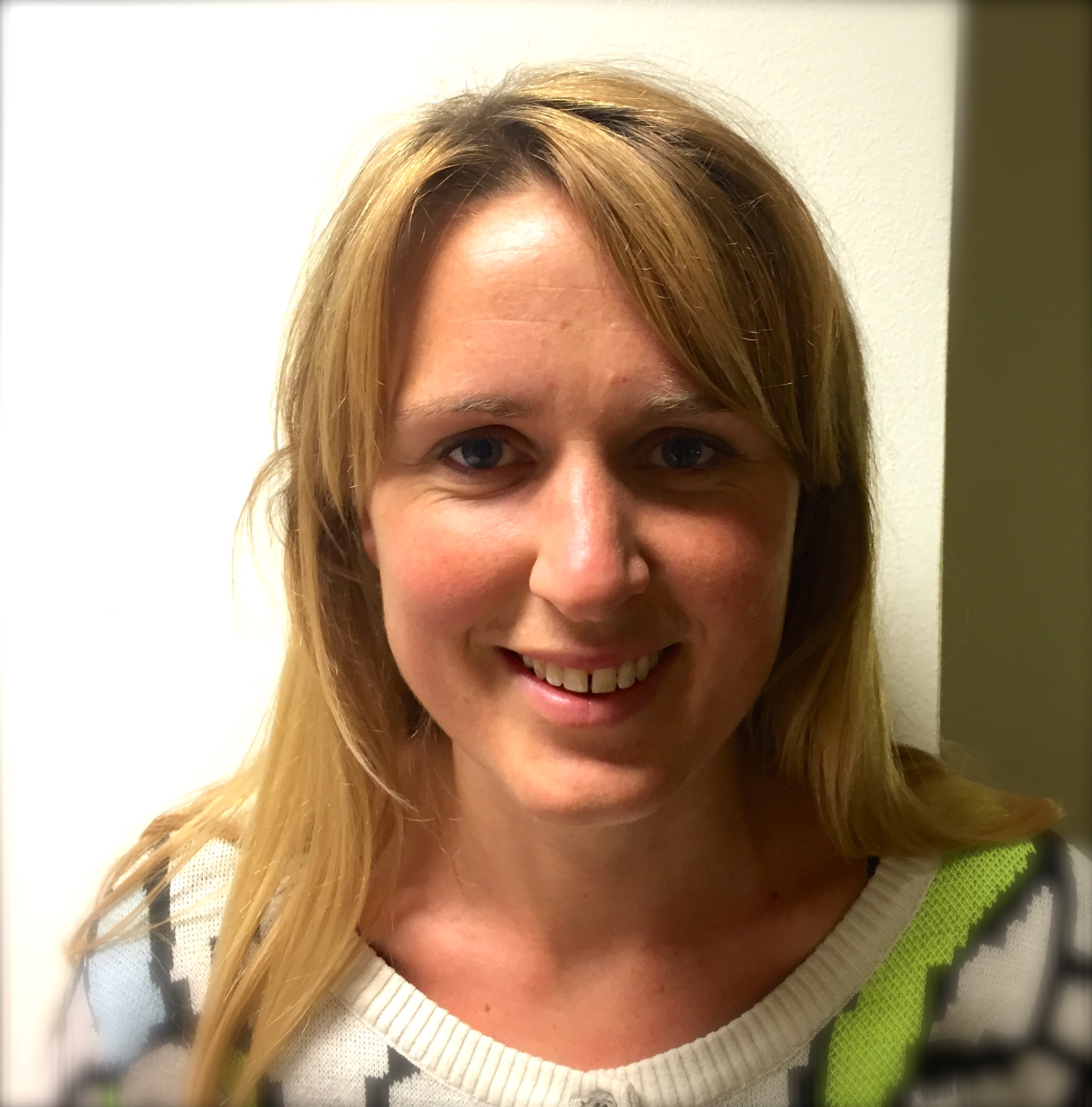 We welcome Lina Lundström to our group. Lina is a CBT psychologist currently working at Mottagningen för Tvångssyndrom in Huddinge. She will work in a still secret project you will soon read more about…..
Title: Etiology, prevalence, and development of a novel treatment for body dysmorphic disorder
Main supervisor: Christian Rück
Co-supervisors: Paul Lichtenstein, David Mataix-Cols, Brjánn Ljótsson
Examination board: Bo Melin, Jerker Hetta, Klaas Wijma
Welcome!
Dear friends,
2014 has been a good year. We have contributed to 18 publications, presented at several congresses, Evelyn Andersson and Volen Ivanov have had their half-time seminars on their steady way to a PhD and Erik Andersson was the first out of our lab to defend his thesis. We have also staged what may be the Worlds first blind breaking party. On a more serious note, several of our treatment studies have helped people who suffer. We have published the first internetbased CBT study for Body Dysmorhic Disorder with Jesper Enander as first author and stay tuned for more on BDD in 2015. We hope to do even more in 2015. If you wish to donate to our research to make it possible, contact christian.ruck@ki.se .
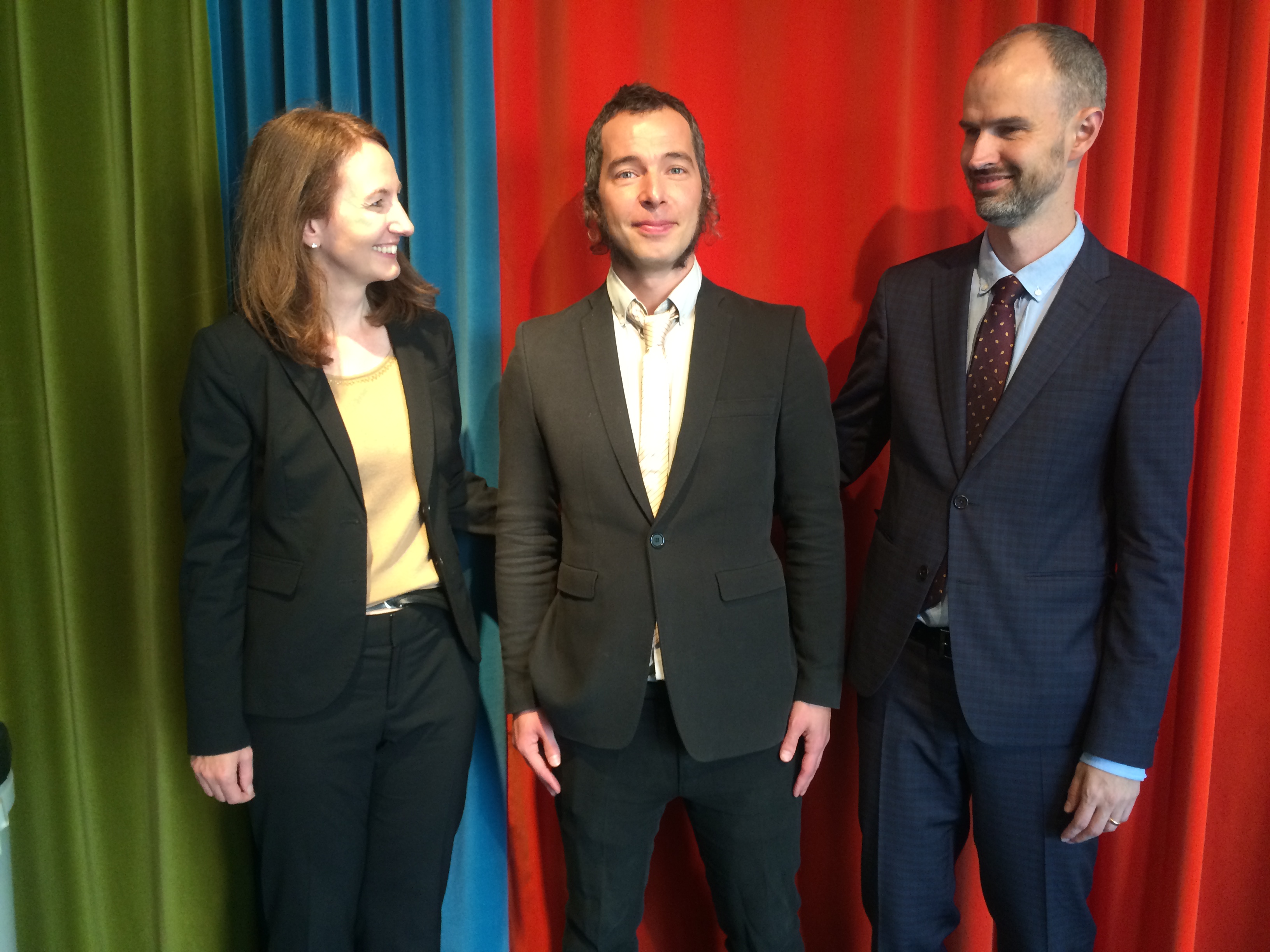


In a new publication in Schizophrenia Bulletin Swedish registers were used in the so far largest study set out to understand the relationship between OCD and psychosis and bipolar disorders. Clinically it is clear that psychotic delusions can sometimes be hard to tell apart from obsessions, especially when there is low insight.
In this population-based longitudinal and multigenerational family study, we examined the patterns of comorbidity, longitudinal risks, and shared familial risks between these disorders. Participants were individuals with a diagnosis of OCD (n = 19814), schizophrenia (n = 58336), bipolar disorder (n = 48180), and schizoaffective disorder (n = 14904) included in the Swedish Patient Register; their first-, second-, and third-degree relatives; and population-matched unaffected controls and their relatives. Individuals with OCD had a 12-fold increased risk of having a comorbid diagnosis of schizophrenia and a 13-fold increased risk of bipolar disorder and schizoaffective disorder. This still means that those disorders disorders will not affect most OCD patients. Longitudinal analyses showed that individuals first diagnosed with OCD had an increased risk for later diagnosis of all other disorders, and vice versa. OCD-unaffected first-, second-, and third-degree relatives of probands with OCD had a significantly increased risk for all 3 disorders; the magnitude of this risk decreased as the genetic distance increased. We conclude that OCD is etiologically related to both schizophrenia spectrum and bipolar disorders.

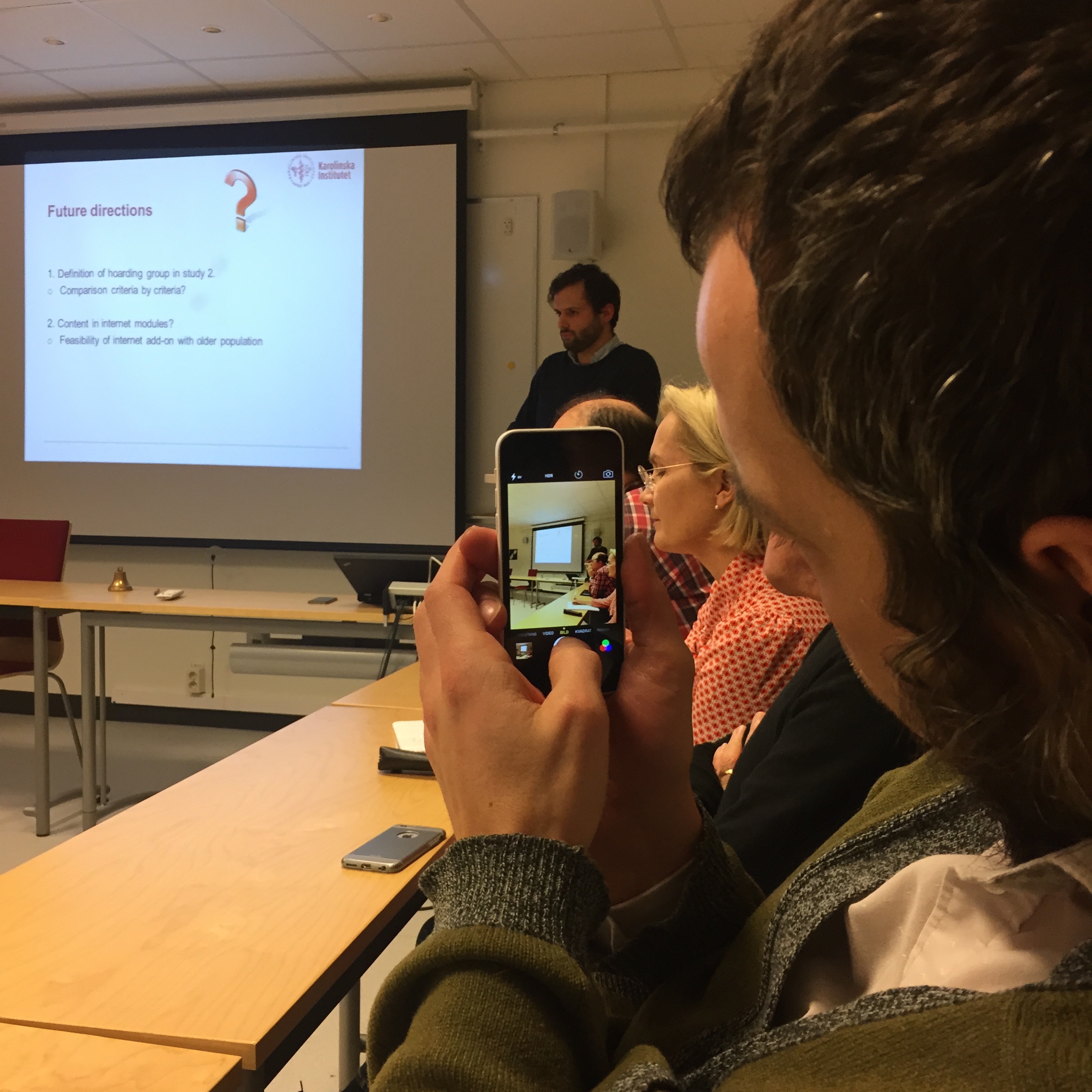
Volen passed his half-way checkpoint to his PhD today. We wish to thank the examination board and the co-supervisors Eva Serlachius, David Mataix-Cols and Paul Lichtenstein.
Next up in our group for his half-time seminar is Jesper Enander: January 16th, 13h00 at Askö, M57, Huddinge. Welcome.
 Rücklab - Psychiatry research at Karolinska Institutet