Både Dagens Nyheter och Expressen har skrivit om vår nya studie om internetförmedlad KBT för dysmorfofobi.
Jesper Enander från RückLab var också med i Nyhetsmorgon TV4 och pratade om dysmorfofobi och hur man kan få hjälp om man lider av det.
Research on OCD and related disorders, precision psychiatry, psychiatric genetics, suicide prevention, stress and PTSD

Både Dagens Nyheter och Expressen har skrivit om vår nya studie om internetförmedlad KBT för dysmorfofobi.
Jesper Enander från RückLab var också med i Nyhetsmorgon TV4 och pratade om dysmorfofobi och hur man kan få hjälp om man lider av det.
Our study comparing internet-based CBT and online support therapy for BDD has just been published in the British Medical Journal.

Christian Rück och Alex Kossek har startat en podcast som heter “Vad är poängen…?” där de med gäster talar om ämnen som sex, städning, hoarding, meningen med livet och lite annat.
http://www.vadarpoangen.se/
Podden på iTunes: https://itunes.apple.com/se/podcast/vad-ar-poangen../id1070493753?mt=2&ign-mpt=uo%3D4
Podden på Radioplay: http://radioplay.se/podcast/vad-ar-poangen

Vi genomför nu en studie med internetstödd kognitiv beteendeterapi i grupp för samlarsyndrom.
Det är vanligt att samla på sig saker men vissa personer samlar på sig så mycket att deras hem fylls upp. Personer med samlarsyndrom (Hoarding Disorder) behåller avsiktligen sina saker och kan uppleva starkt obehag när de ska göra sig av med dem.
Vid Karolinska Institutet genomförs just nu i samarbete med SLSO en studie där vi testar internetstödd kognitiv beteendeterapi i grupp för samlarsyndrom. För att delta måste du vara minst 18 år. Behandlingen sker i grupp (i Stockholm) och på Internet och förutsätter att du har tillgång till en dator.
Läs mer och anmäl dig på samlarsyndrom.se.
Canine and murine genetics can help us get answers on human psychiatric disorders such as OCD and related disorders.

Inspiring work of this group and impressive building.

We are very happy to have seen the lab and the genetic chips and sequencers. We want to thank Jessica Alföldi, Group Leader, Vertebrate Genome Biology and postdoctoral researcher Hyun Ji Noh at Broad Institute for this tour!

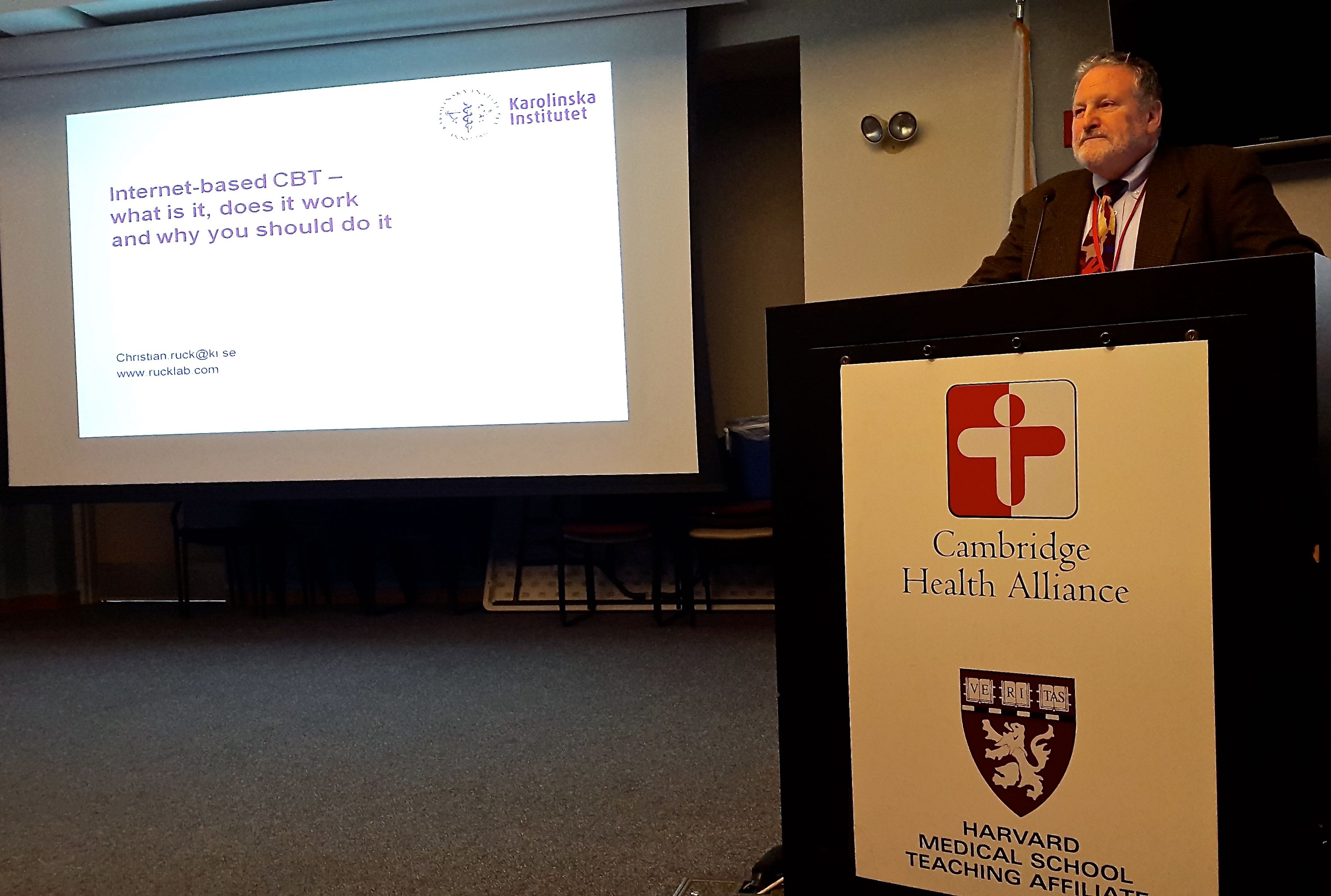
– and Jesper Enader, psychologist and PhD student at Rücklab continued telling everybody of the evidence and possibilities of this well-known media in psychiatry.

Many interesting discussions arouse about availability of evidence based psychiatric treatment all over the world. The technique can be translated to different languages, endlessly customised and adapted to suit children and even illiterates – the possibilities are huge and costs minimal as compared to face to face treatment. The interest from te audience was huge.
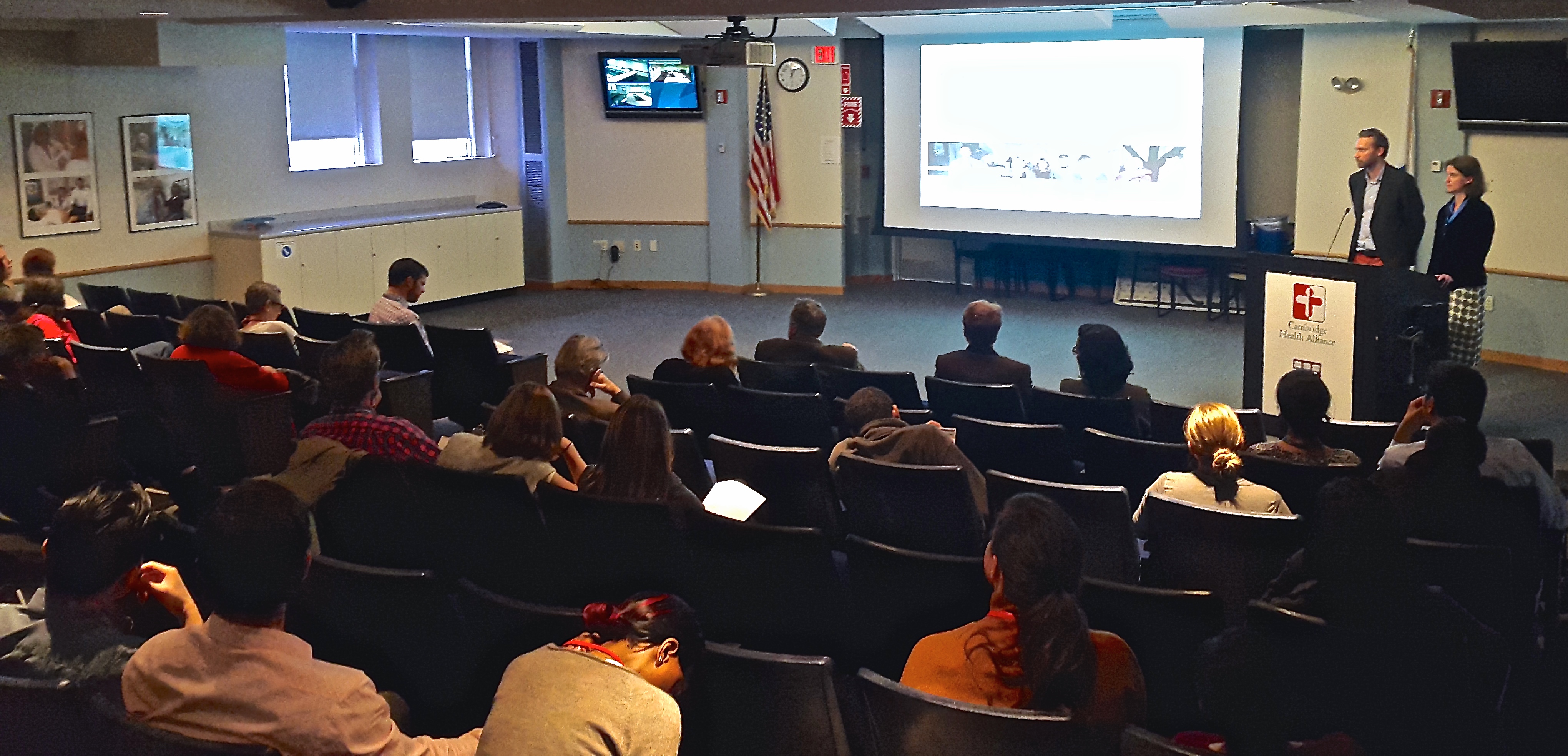
Discussions continues over a pleasant dinner at The Harvard Faculty Club with Nina Shreshta, MD and resident in Psychiatry and James Irvin Hudson, Professor of Psychiatry, McLean Hospital.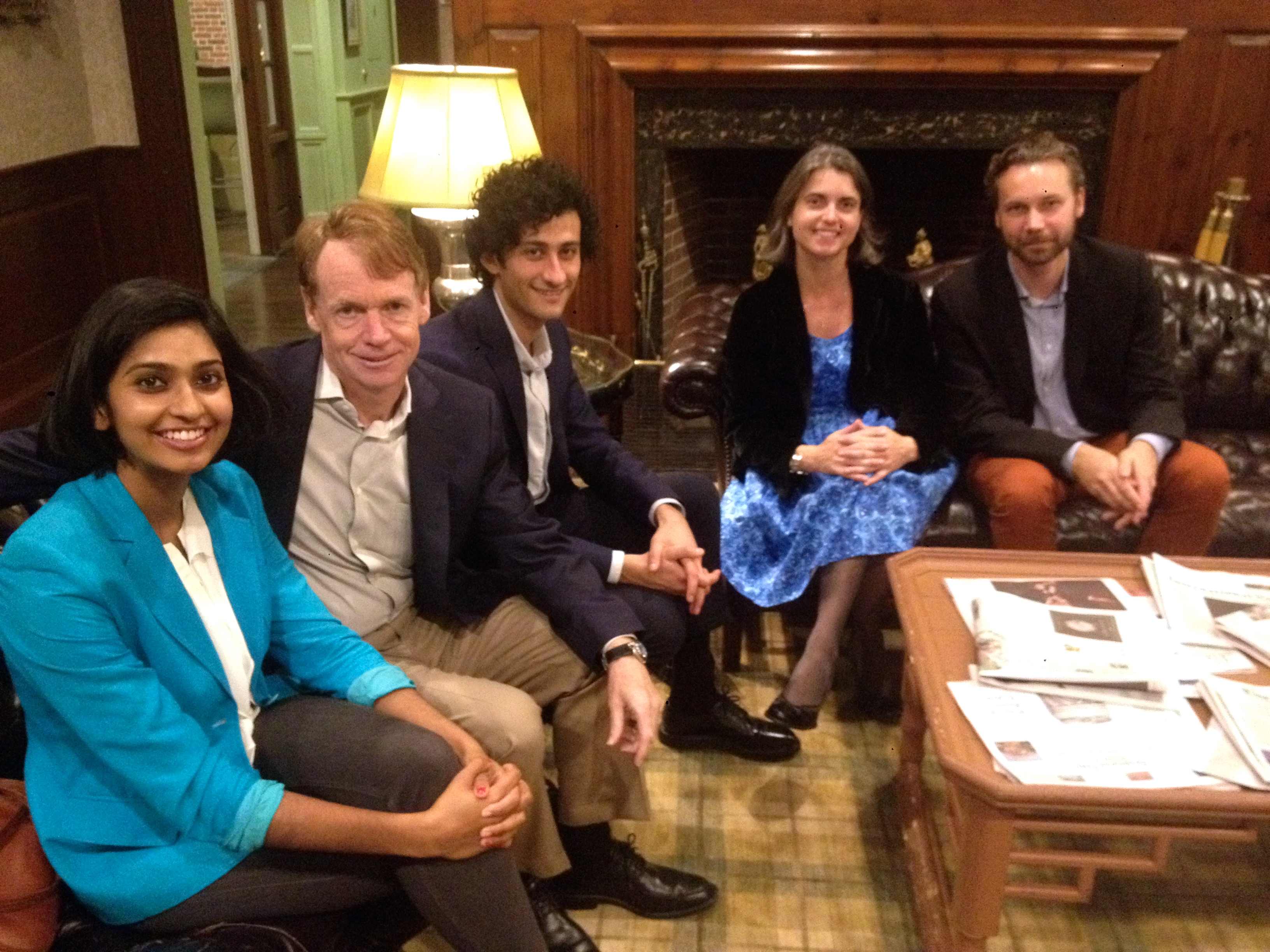
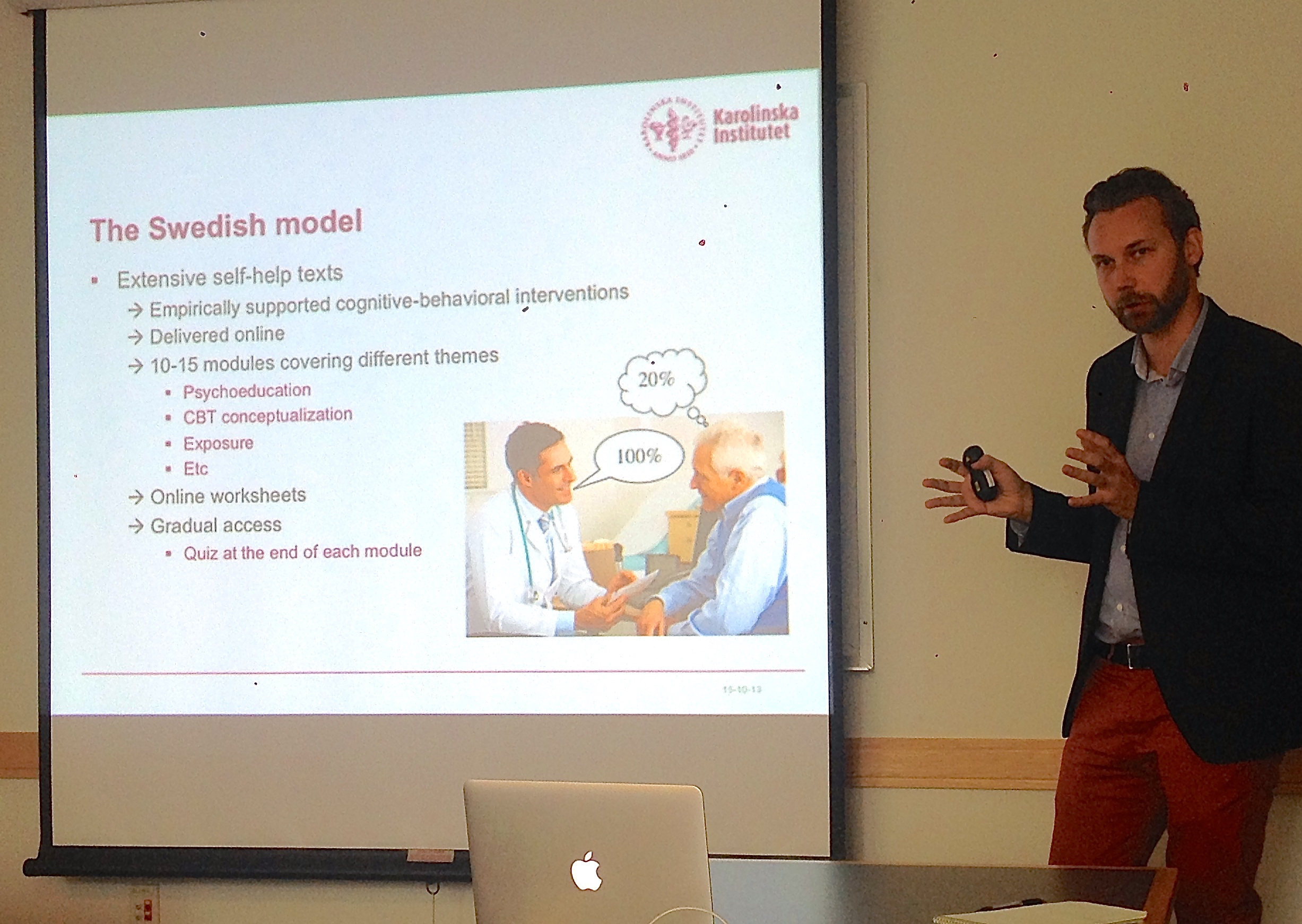
Jesper Enander held a most interesting lecture on Internet-based CBT – what it is, how it works and why you should do it. After the lecture, the research group representatives from Rücklab and Professor Sabine Wilhelm, Harvard Medical School and Chief of Psychology and Director of OCD and Related Disorders ProgramMassachusetts General Hospital had most engaging discussions on possible collaboration projects on ICBT for OCD-RD and other research questions
.

A study using Swedish register and twin data just came out in World Psychiatry (click link of the reference bwlow for full text).
The study aimed to examine patterns of comorbidity, longitudinal risks, shared familial risks and shared genetic factors between OCD and Anorexia Nervosa (AN) at the population level. Participants were individuals with a diagnosis of OCD (N=19,814) or AN (N=8,462) in the Swedish National Patient Register ; their first-, second- and third-degree relatives; and population-matched (1:10 ratio) controls and their relatives. Female twins from the population-based Swedish Twin Register (N=8,550) were also included. Females with OCD had a 16-fold increased risk of having a comorbid diagnosis of AN, whereas males with OCD had a 37-fold increased risk. Longitudinal analyses showed that individuals first diagnosed with OCD had an increased risk for a later diagnosis of AN (risk ratio, RR=3.6), whereas individuals first diagnosed with AN had an even greater risk for a later diagnosis of OCD (RR=9.6). These longitudinal risks were about twice as high for males than for females. First- and second-degree relatives of probands with OCD had an increased risk for AN, and the magnitude of this risk tended to increase with the degree of genetic relatedness. Bivariate twin models revealed a moderate but significant degree of genetic overlap between self-reported OCD and AN diagnoses (ra =0.52, 95% CI: 0.26-0.81), but most of the genetic variance was disorder-specific. The moderately high genetic correlation supports the idea that this frequently observed comorbid pattern is at least in part due to shared genetic factors, though disorder-specific factors are more important.
The leading scientific journal Nature writes about our work on internet-based CBT for BDD today. Read it all here: http://www.nature.com/nature/journal/v526/n7572_supp/full/526S14a.html#close

Den behandling som visat sig effektivast mot tvångssyndrom är kognitiv beteendeterapi (KBT). Kognitiv beteendeterapi går ut på att förändra tankar och beteenden för att kunna må bättre och nå mål man värderar som viktiga.
Att behandlingen sker inom ramen för en studie innebär för dig som behandlingsdeltagare att den är helt gratis.
I studien kommer det att bli aktuellt med ett bedömningsbesök på Karolinska universitetssjukhuset Huddinge. Kommer du med i studien kommer du att lottas till antingen internetbehandling eller behandling där du träffar en psykolog. Det går inte att påverka vilken typ av behandling som du kommer att lottas till.
För att kunna bli aktuell för studien behöver du bland annat:
Intresseanmälan gör du här.
 Rücklab - Psychiatry research at Karolinska Institutet