
Idag talade Christian Rück i programmet Kropp och Själ i P1. Hela programmet handlade om PANDAS/PANS.
Tag: OCD
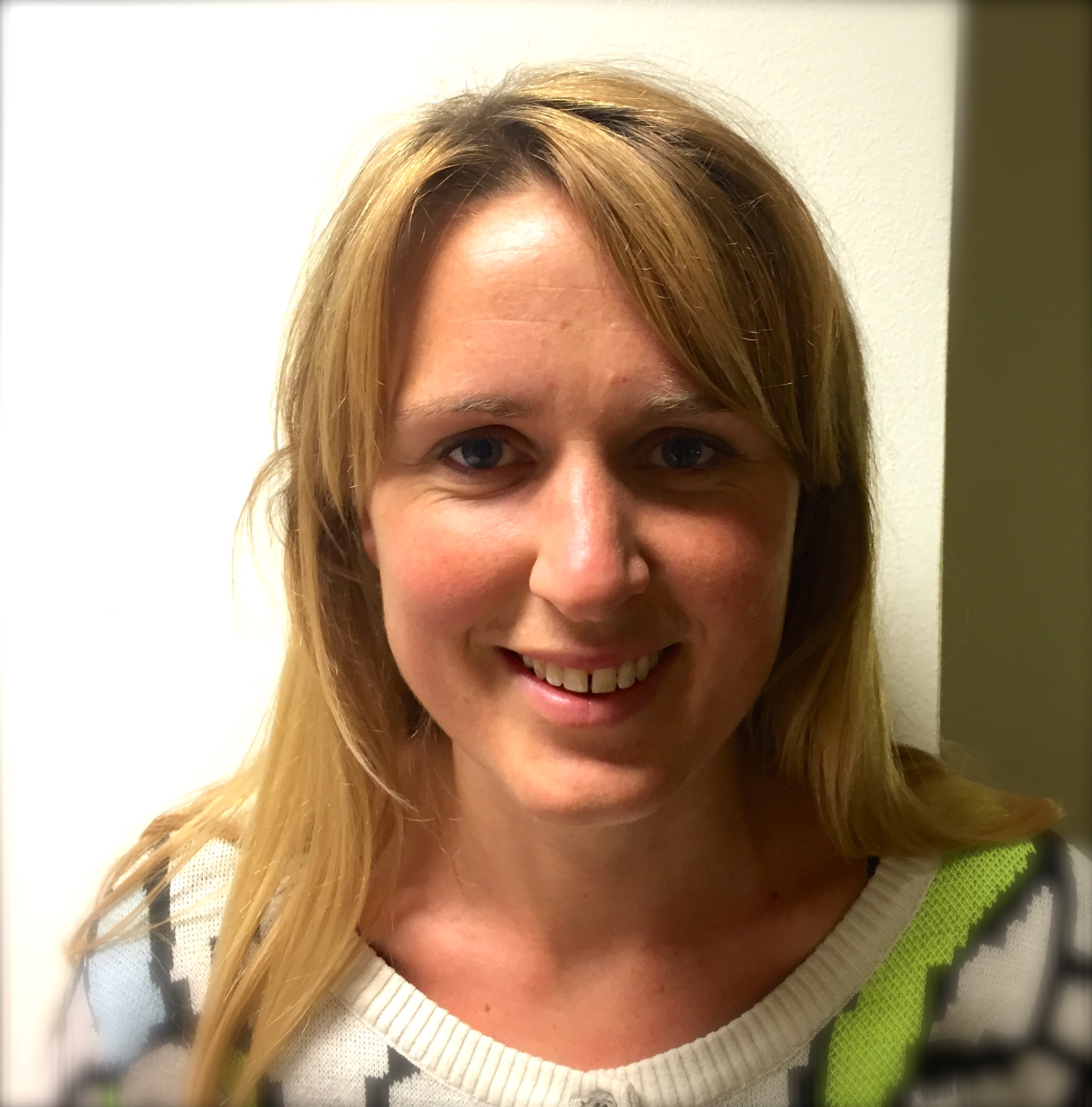 We welcome Lina Lundström to our group. Lina is a CBT psychologist currently working at Mottagningen för Tvångssyndrom in Huddinge. She will work in a still secret project you will soon read more about…..
In a new publication in Schizophrenia Bulletin Swedish registers were used in the so far largest study set out to understand the relationship between OCD and psychosis and bipolar disorders. Clinically it is clear that psychotic delusions can sometimes be hard to tell apart from obsessions, especially when there is low insight.
In this population-based longitudinal and multigenerational family study, we examined the patterns of comorbidity, longitudinal risks, and shared familial risks between these disorders. Participants were individuals with a diagnosis of OCD (n = 19814), schizophrenia (n = 58336), bipolar disorder (n = 48180), and schizoaffective disorder (n = 14904) included in the Swedish Patient Register; their first-, second-, and third-degree relatives; and population-matched unaffected controls and their relatives. Individuals with OCD had a 12-fold increased risk of having a comorbid diagnosis of schizophrenia and a 13-fold increased risk of bipolar disorder and schizoaffective disorder. This still means that those disorders disorders will not affect most OCD patients. Longitudinal analyses showed that individuals first diagnosed with OCD had an increased risk for later diagnosis of all other disorders, and vice versa. OCD-unaffected first-, second-, and third-degree relatives of probands with OCD had a significantly increased risk for all 3 disorders; the magnitude of this risk decreased as the genetic distance increased. We conclude that OCD is etiologically related to both schizophrenia spectrum and bipolar disorders.
Vår forskningsgrupp söker i samarbete med Mottagningen för Tvångssyndrom, Psykiatri Sydväst en psykolog för att driva vidare forskningen kring internetbaserad KBT för OCD. Behandlingen har redan testats med god effekt i flera studier men vi vill nu göra en studie där iKBT jämförs med individuell KBT i klinik. Tjänsten är en kombinerad forsknings/kliniktjänst där kliniktjänstgöringen är på Mottagningen för Tvångssyndrom, en mottagning som just nu är inne i en expansiv fas. I forskningsdelen handleds du av Dr. Erik Andersson, Docent Christian Rück och Professor David Mataix-Cols. Detta är, för att uttrycka det ödmjukt, en chans att delta i den absoluta framkanten och om allt går bra så är en doktorandtjänst en senare möjlighet.
Läs mer: http://jobb.sll.se/Annonssida/?refnr=SLSO-14-64042&forvaltning=5&category=3&subcategory=81
Erik Andersson today defended his thesis in the best of ways and is now a PhD from the Karolinska Institutet. Opponent was Prof Sabine Wilhelm, Harvard and she said “this is the best dissertation I have come across, by far”. The dissertation committee consisted of Prof Bo Runeson, Prof Christina Hultman and Professor Mats Fredriksson. Main supervisor was Christian Rück and Viktor Kaldo, Nils Lindefors and Gerhard Andersson were co-supervisors. Let’s celebrate!


Erik Andersson nailed his thesis “Enhancing cognitive behavior therapy in the treatment of obsessive-compulsive disorder” to the KI library as the traditional publication. He will defend his work on September 19.
The thesis defense is open to the public. Details here: http://ki.se/cns/kalender/disputation-erik-andersson
 Erik Andersson will defend his thesis “Enhancing cognitive behavior therapy in the treatment of obsessive-compulsive disorder” on September 19. Christian Rück is the main supervisor and co-supervisors are Viktor Kaldo, Nils Lindefors, Gerhard Andersson. Sabine Wilhelm, Harvard Medical School, will be the opponent.
The thesis defense is open to the public. Details here: http://ki.se/cns/kalender/disputation-erik-andersson
 Nu öppnar anmälan för studien av internetbehandling av tvångssyndrom (OCD) för 12-17 åringar. Pilotstudien visade mycket bra resultat. Läs mer på http://www.bup.se/sv/Om-BUP/Forskning/BIP/Delta-i-studier/Studie-om-tvangssyndrom/

A study published in PloS ONE tested a new ICBT platform. Twenty-one adolescents (12–17 years) with OCD and their parents were enrolled in the study. All participants received 12 weeks of ICBT with therapist support. Treatment yielded significant improvements with a large effect size of d = 2.29 (95% CI 1.5–3.07) on the CY-BOCS. Patients continued to improve at follow-up. This is a study out of Eva Serlachius’ research group at Karolinska Institutet. Click reference for full text.

Check out a this new publication:
It’s open access!
 Rücklab - Psychiatry research at Karolinska Institutet