Erik Andersson wins major psychology prize

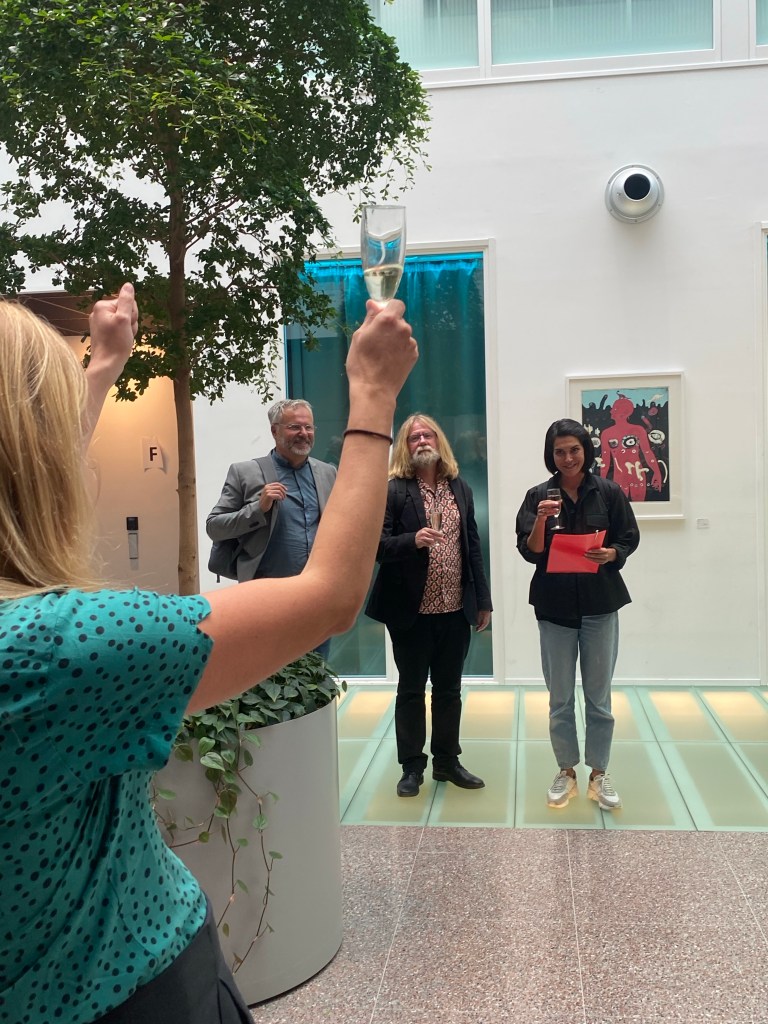
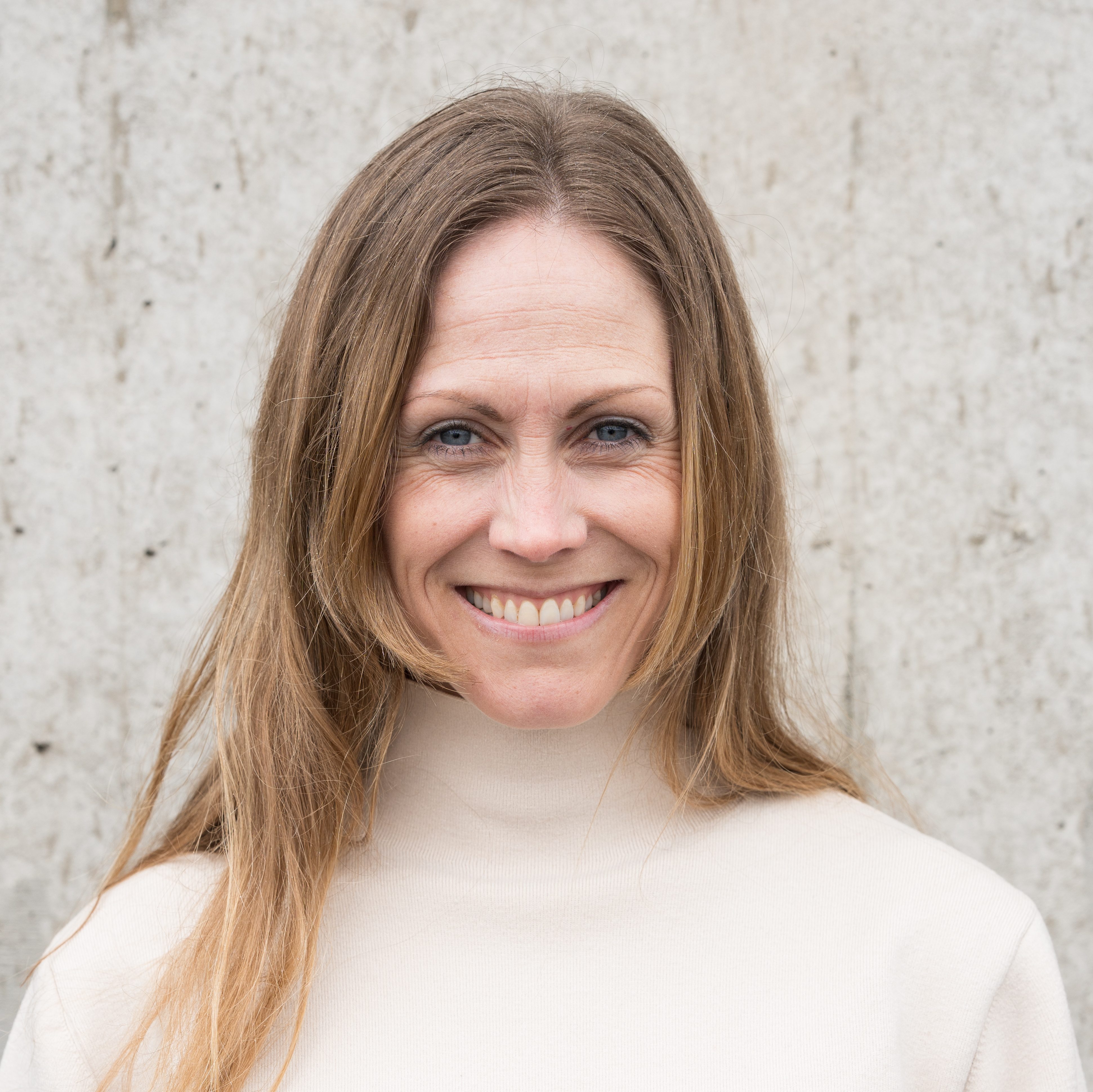
Today we would like to congratulate Erik Andersson who has been awarded the Grand Prize for Psychology 2023!

Once upon a time, Erik was Christian Rück’s first PhD student, working with enhancing cognitive-behavior therapy in the treatment of OCD. Since then, he has achieved a lot combining research, teaching and clinical work.

Congratulations Erik!

World Suicide Prevention day

Today is World Suicide Prevention day, a day launched by the International Association for Suicide Prevention (IASP) and the World Health Organization (WHO) to promote and highlight suicide prevention.

The research team is currently working on various projects related to suicide and suicide prevention.

Saving Lives – A project that aims to reduce suicides by improving prediction. We will build a nationwide multimodal suicide cohort through genetic and environmental data, discover different types of risk factors and ultimately develop predictive models for suicide through machine learning techniques.

Suicide and Compulsory Mental Care – A project aimed at supporting clinical decision-making in compulsory care decisions. This project will apply epidemiological methods with a national 40-year cohort (1973-2013) of registry data to investigate both the suicide risk itself and associated risk factors for compulsory mental care patients.

Lastly, Manne Sjöstrand is a new member of our group. He is working on ethical and clinical challenges for suicide prevention and suicide risk assessments.

Here’s a list of events taking place in Sweden today September 10th to recognise World Suicide Prevention day.

Olly on internet treatment conference

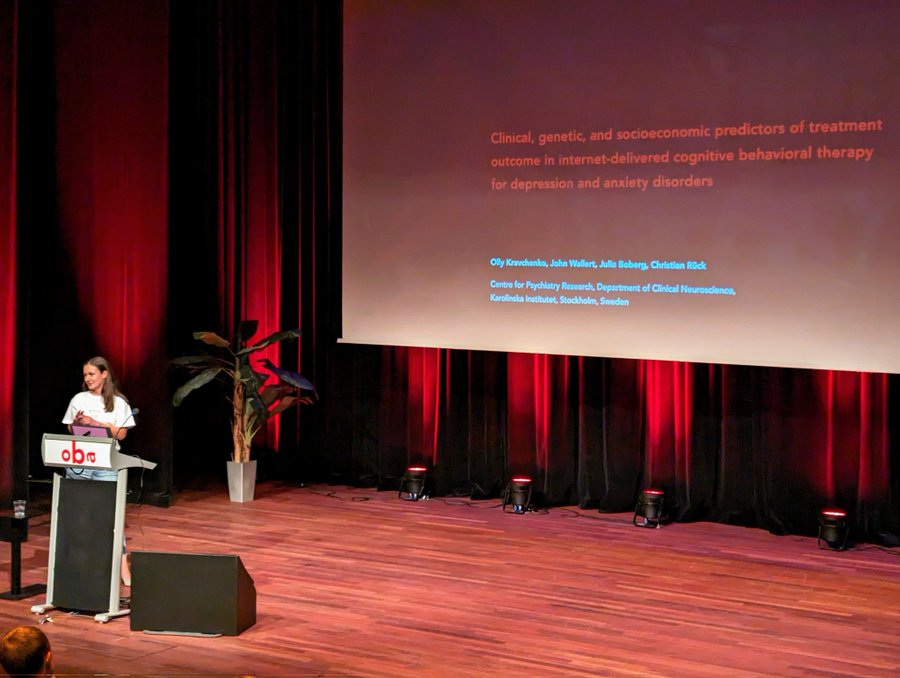
At the beginning of the month, Olly Kravchenko attended the European Society for Research on Internet Interventions (ESRII) conference in Amsterdam.

She talked about her work on predictors of outcome in internet-delivered CBT for anxiety and depression.

The story: She leveraged the unique data we have available (clinical, genetic and register-based) to potentially establish new predictors of treatment outcome. Then she tested: Do genetic and register data better explain variance in treatment outcome if compared to the clinical data readily available in routine care? – They did not!

Next step is to develop machine learning model and see if it performs better.

Thanks for looking into this Olly, we need to find out more!

Braining on Swedish Radio

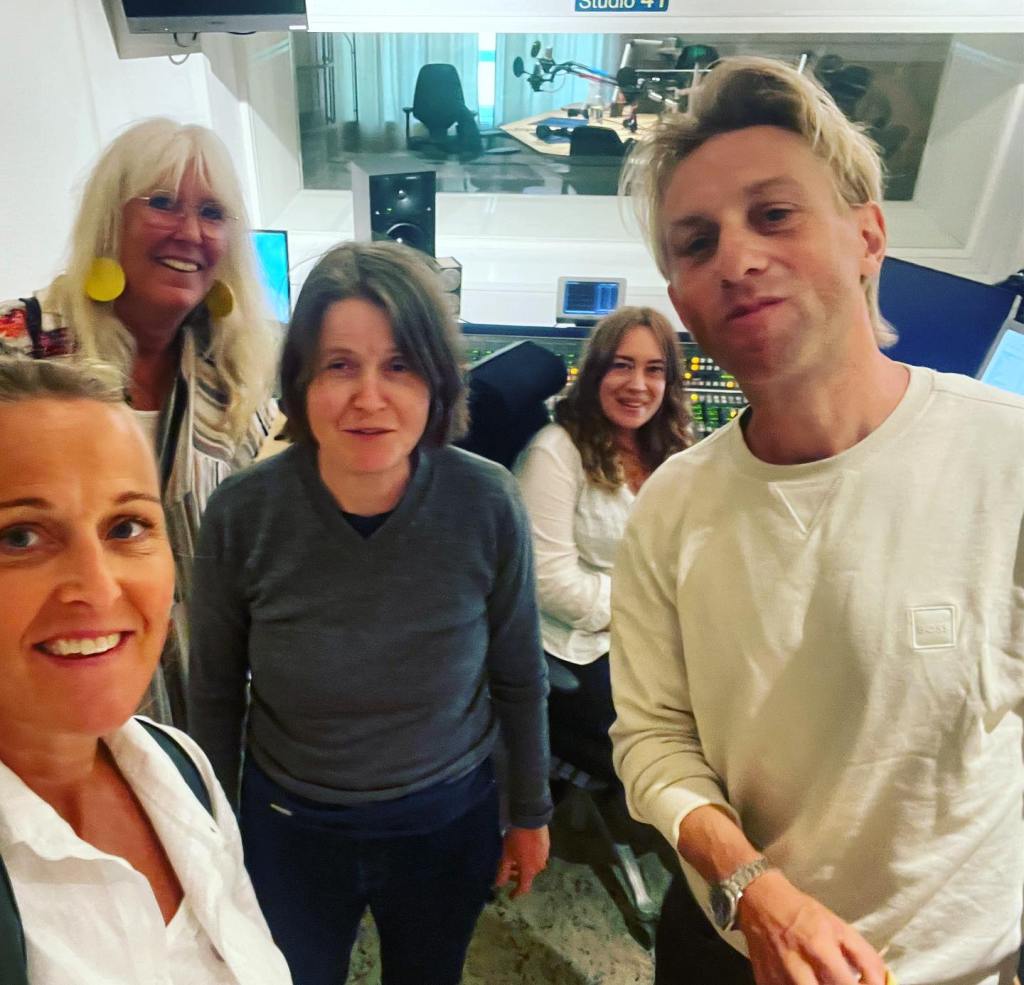
In the latest episode of Louise Epstein’s podcast, together with Anders Hansen, we can hear Lina Martinsson talk about the Braining initiative!

Braining – training for the brain – is an initiative from Psychiatry Southwest, Huddinge Hospital where patients and staff exercise together. The project stems from the fact that we know that exercise is good for mental wellbeing and has an effect on depression, but it’s difficult to get patients to do it.

How much do you need to exercise to have an effect on mental health and how do you do it? Listen and learn. The podcast even includes a live clip from the hospital park in Huddinge.

Here is a link to the episode.

Psst…! Åsa Anger, Lina and colleagues published the first scientific article on Braining this summer, click here to read it.

Lina’s dissertation 🎉

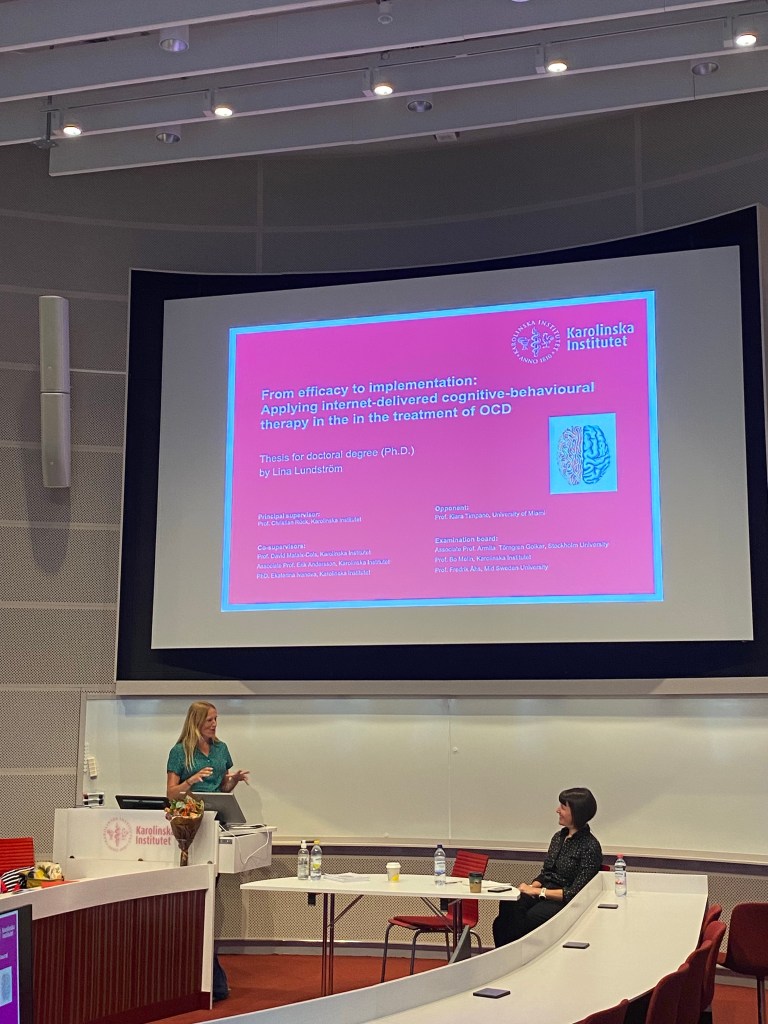
Congratulations Lina for a successful thesis defence!

Great discussion with the opponent, professor Kiara Timpano from University of Miami.

Members of the examination board were associate professor Armita Golkar (Stockholm university), professor Bo Melin (Karolinska Institutet) and professor Fredrik Åhs (Mittuniversitetet)

Lina’s supervisor Christian Rück and co-supervisors Katja Ivanova, Erik Andersson and David Mataix-Cols were very proud!

Elin in a podcast on Exhaustion disorder

Earlier this summer, Elin was a guest on the Hälsa för Livet podcast. She talked about Exhaustion disorder (Utmattningssyndrom in Swedish): the current state of research, myths and treatment.

Elin Lindsäter is a psychologist and PhD. Her research focuses on chronic stress, exhaustion and fatigue and on developing new evidence-based treatments for these conditions.

You can listen to the podcast here (in Swedish).

Read more about Elin’s project here.

PhD student and psychologist wanted for Maria’s intensive treatment for PTSD project

Want to work at the forefront of PTSD research? Look here!

Maria Bragesjö and her team are announcing two exciting positions for her project on intensive treatment for Post-Traumatic Stress Disorder (PTSD).

  1. A PhD student that will hold a project leadership position in a clinical trial of intensive exposure-based treatment for post-traumatic stress disorder. You will play a central role in protocol development, regulatory processes, study execution, and analysis, comparing intensive prolonged exposure with the gold standard individual, weekly treatment.
    Read more and apply here.
  2. A Lic. psychologist or PTP psychologist for a project position at the Trauma Program, Psychiatry Southwest. Tasks include assessment of PTSD, physically and digitally as part of the research project.
    Read more and apply here.

More funding for PTSD research

We are very happy to announce that Maria has received two additional grants for her work on innovating treatment for PTSD!

Two weeks ago, we reported that Maria got 2.4 million SEK from CIMED.

Since then, she has received two new grants:

Firstly, she received 3 million from FORTE for her upcoming RCT on intensive exposure-based treatment for PTSD. You can read more about the project here. In short, it is about PTSD treatment during five intensive days instead of weekly treatment during three to five months.

In addition, she has received the ALF grant for clinical postdoc. The support consists of 500 000 SEK per year for 2 years with the possibility of extension for another 2 years.

These contributions will benefit patients through new high quality forms of trauma treatment.

Good job Maria!

Myrto’s dissertation

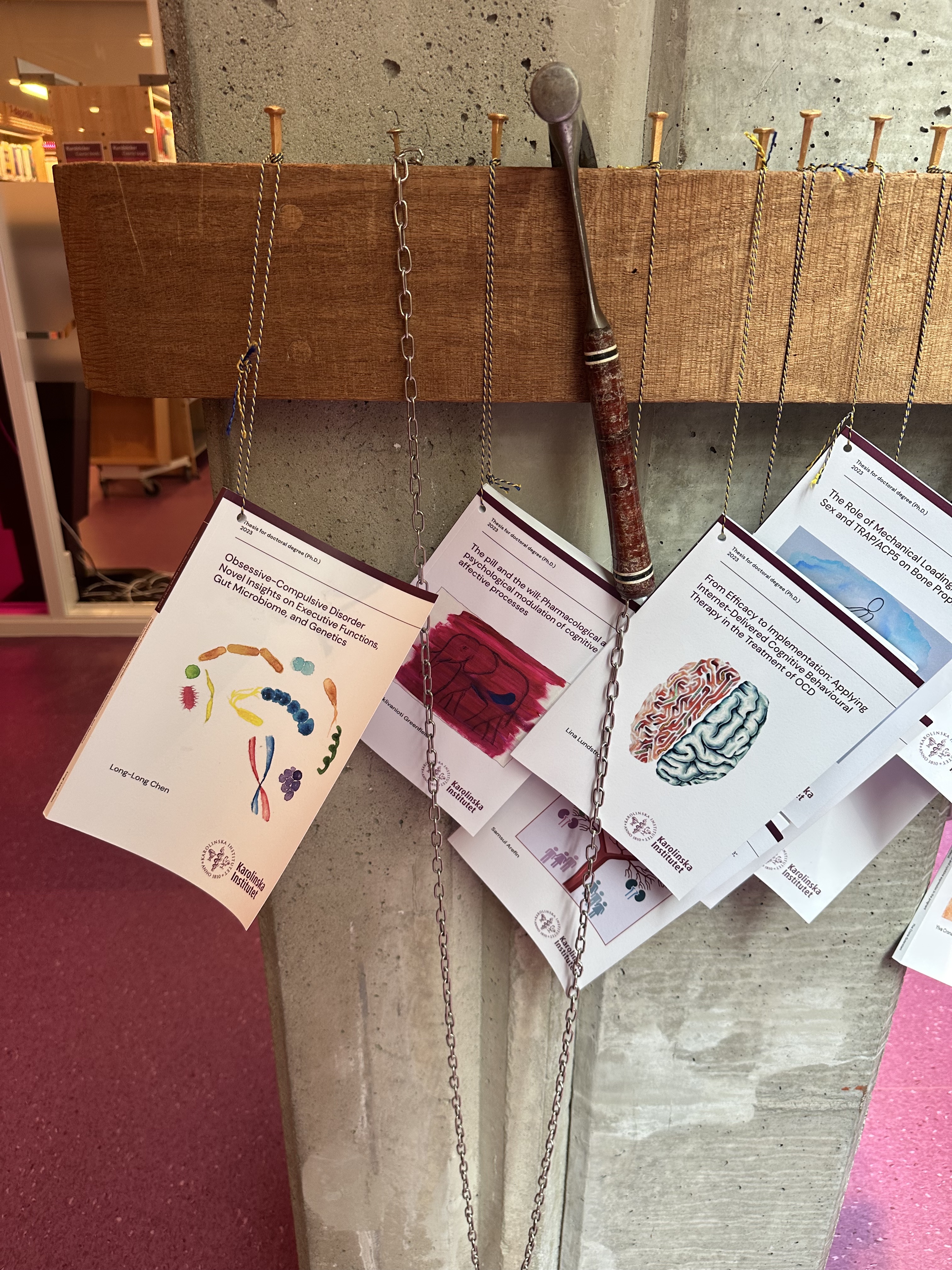
Last Friday, we saw Myrto successfully defend her thesis “The pill and the will : pharmacological and psychological modulation of cognitive and affective processes”.

The thesis investigates pharmacological and psychological approaches to emotion regulation. In brief, it involves:

  1. How SSRI affect induction and regulation of fear and disgust in healthy subjects.
  2. The effect of stimulant medication on the induction and regulation of negative emotions in healthy controls and patients with ADHD.
  3. The difference between pharmacological emotion regulation (SSRI and CS) and psychological emotion regulation and emotion regulation with skills training/exposure.

The opponent was Trevor Robins, Professor of Cognitive Neuroscience at the University of Cambridge. Main supervisor was Mussie Msghina, and co-supervisors were Yanlu Wang, Tie-Qiang Li & Lina Martinsson.

Well done and congratulations, Myrto!