Elin Lindsäter on fatigue as a transdiagnostic symptom dimension

There are many ways in which Elin Lindsäter’s research is relevant right now.

Last week, Elin and Dutch professor Hans Knoop discussed the current state of knowledge about fatigue as a transdiagnostic symptom dimension (in ME, CFS, post-COVID and multiple sclerosis) and the Swedish diagnosis of fatigue syndrome, in a seminar at KI.

Exhaustion disorder is one of the most common and costly mental disorders in Sweden, responsible for more long-term sickness absence than any other psychiatric or somatic disorder in the country. However, evidence for the validity of the diagnosis is limited and there are no evidence-based treatments. Recent research findings indicate that fatigue, the core symptom of exhaustion disorder, might better be conceptualized as a transdiagnostic symptom dimension rather than a disorder-specific pathophysiology. Fatigue severity across patient groups is primarily explained by transdiagnostic factors and the same moderators and mediators of treatment effect have been found across diagnostic samples.

The moderator of the seminar was Christian Rück.

This Sunday, Elin also talked about exhaustion in the podcast “I hjärnan på Louise Epstein”. Click here to listen at sverigesradio.se.

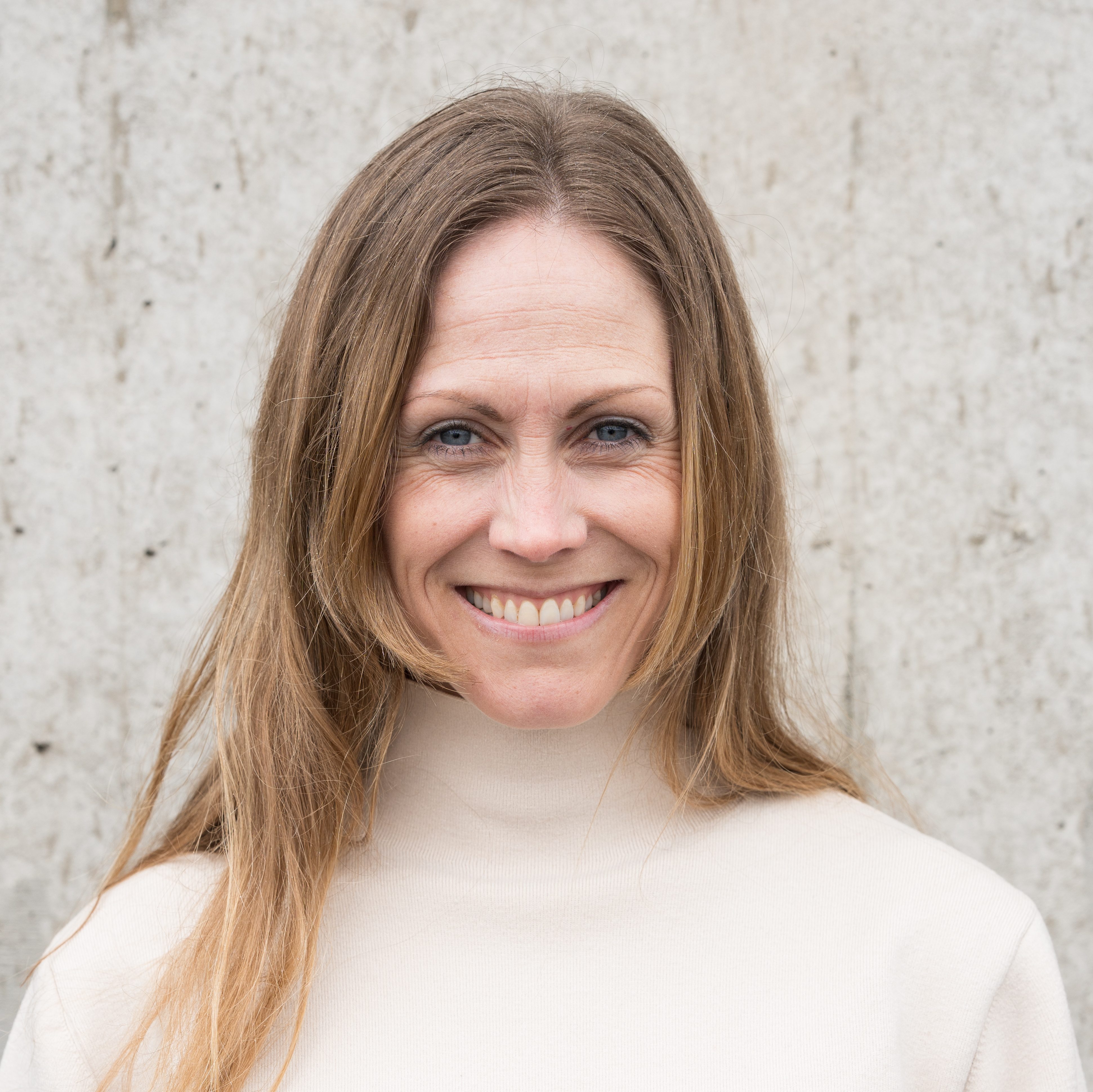
Elin in a podcast on Exhaustion disorder

Earlier this summer, Elin was a guest on the Hälsa för Livet podcast. She talked about Exhaustion disorder (Utmattningssyndrom in Swedish): the current state of research, myths and treatment.

Elin Lindsäter is a psychologist and PhD. Her research focuses on chronic stress, exhaustion and fatigue and on developing new evidence-based treatments for these conditions.

You can listen to the podcast here (in Swedish).

Read more about Elin’s project here.

In Dagens Nyheter, Hanne Kjöller cites Elin Lindsäter et al.’s scoping review about what we know about exhaustion disorder, in a chronicle about externalizing illness.

Exhaustion disorder is the single most common sick leave diagnosis in Sweden. In other countries it does not even exist.

The disorder was introduced into the Swedish version of ICD-10 in 2005, and still exists only in Sweden. The development of the diagnosis has been criticized by members of the Rück research group, mainly because it lacks the scientific basis that usually is required for a diagnosis to take form.

Since the introduction of the diagnosis, the use of it has increased rapidly. It is today almost as prevalent as depression and currently accounts for more long-term sick-leave reimbursement than any other single diagnosis in the country. Ultimately, both patients and tax payers suffer from our lack of knowledge about the condition.

Click here for the scoping review on exhaustion disorder.

Review and debate on exhaustion disorder

Recently, a number of members of the research group together with colleagues from the Stress Research Institute at Stockholm University, published a scoping review on exhaustion disorder where they gathered all empirical studies of exhaustion disorder. The review showed that the existing state of knowledge is scarce and the authors concluded that more research is needed to build a solid knowledge base for exhaustion disorder.

Today, May 13th, the authors also debated the subject in Dagens Nyheter “The exhausted must have access to the right care” (in Swedish), highlighting the fact that new criteria are being developed without first being scientifically evaluated, arguing that there is a great risk for unsafe care and unneccesary suffering for the patients.

The authors are Elin Lindsäter, Frank Svärdman, John Wallert, Ekaterina Ivanova, Anna Söderholm, Robin Fondberg, Gustav Nilsonne, Simon Cervenka, Mats Lekander and Christian Rück. They are affiliated to Karolinska Institutet, Stress Research Institute at Stockholm University and the new in-formal research network Stockholm Stress Collaborative.

Click here for the review Exhaustion Disorder: A Scoping Review of Research on a Recently Introduced Stress.

Click here for the debate article.

Elin Lindsäter i podden Medicinvetarna

Elin Lindsäter medverkar i senaste avsnittet av Karolinska Institutets podcast Medicinvetarna på tema Utmattningssyndrom: Vad vet vi idag?

Podcasten handlar om utmattningssyndrom, en diagnos som har fortsatt att öka. Elin talar om dess utmaningar, dels när det kommer till den diagnostiska gränssättningen mellan utmattning och depression, och dels att det saknas vetenskapligt underlag för att rekommendera olika behandlingar.

– De här patienterna lider och behöver hjälp. Men idag saknas underlaget för att veta hur vi bäst kan hjälpa dem, säger Elin Lindsäter.

Avsnittet hittar du i din podd-app eller genom att klicka här.

Photo: Micke Sandström

English translation: Elin Lindsäter talks about the Swedish diagnosis utmattningssyndrom (exhaustion disorder) and its challenges in diagnostics and treatment, in the latest episode of Karolinska Institutets podcast Medicinvetarna (in Swedish).